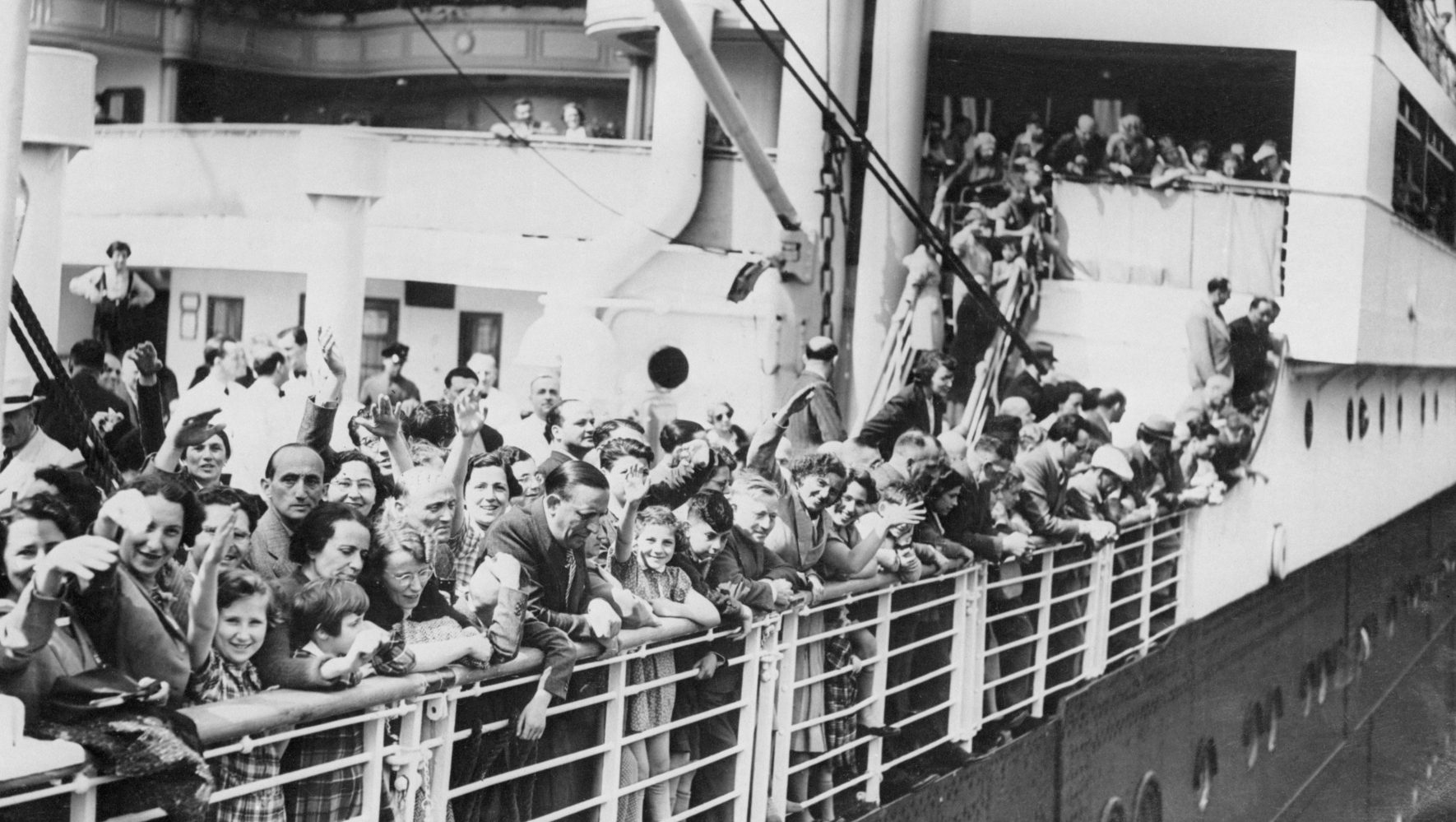
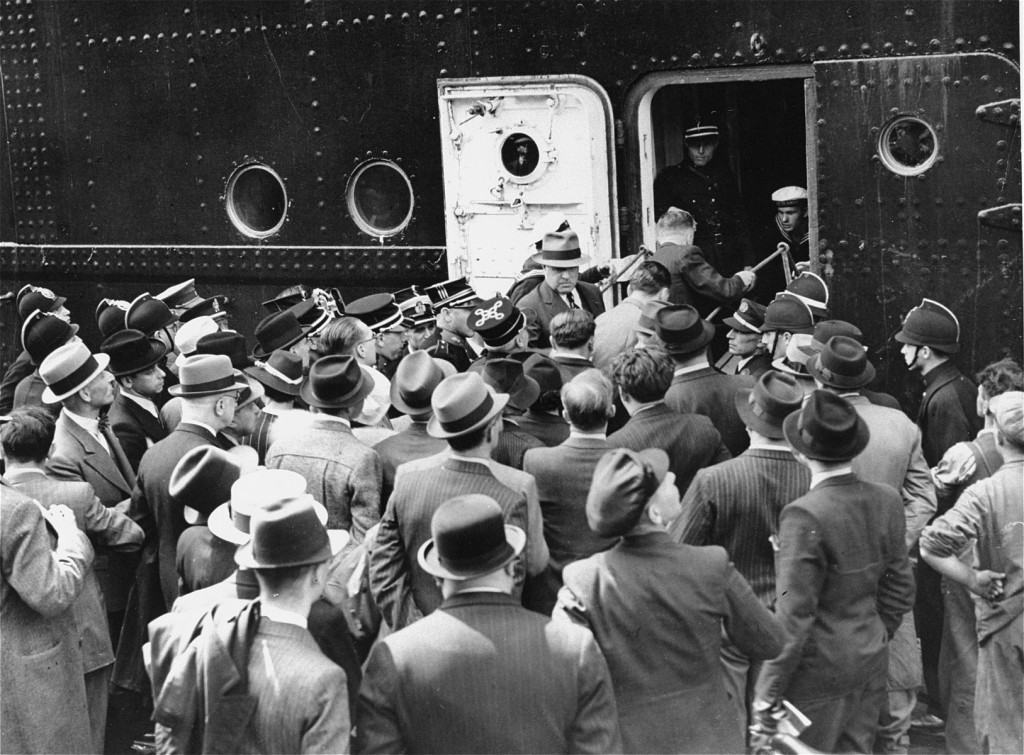
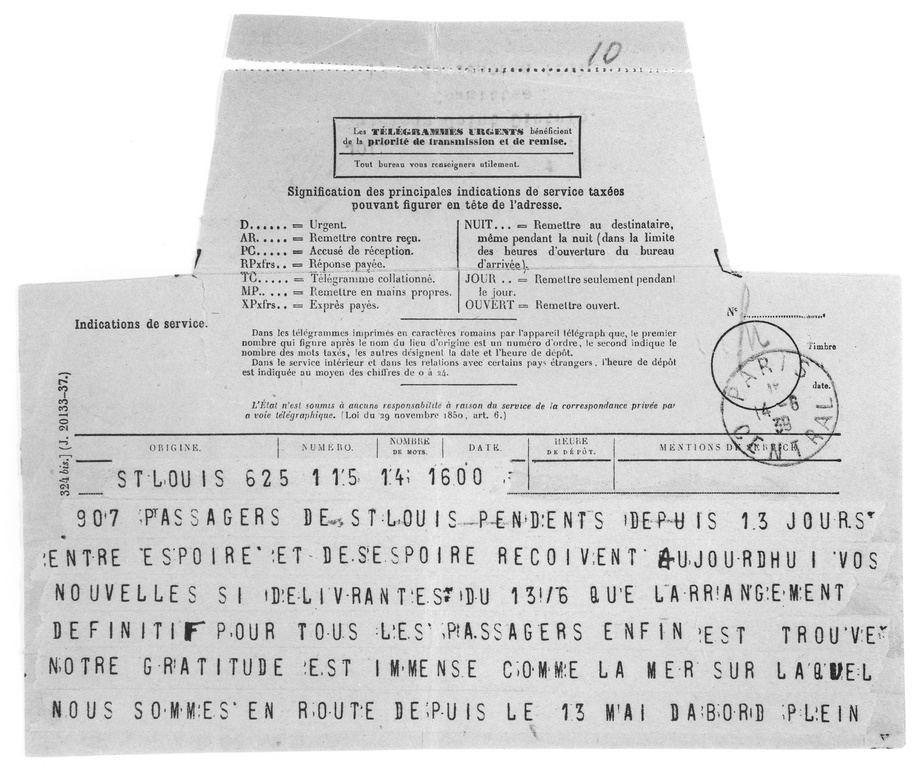
On May 15, 1939, 937 people boarded a German transatlantic liner called the St. Louis in the port of Hamburg. The fugitives from the Nazi regime (most of whom were German Jews; there were also representatives of the Eastern European community and several stateless persons) planned to reach Havana (Cuba), and from there to get to the United States. At the end of May, the passengers arrived in the Latin American country but were faced with the Cuban government's refusal to recognize their landing documents. Another fact added to the severity of the situation that arose: a week before the passenger ship sailed, Cuban President F. L. Bru signed a decree canceling all boarding certificates issued the day before. Absolutely everyone (including the owners of the ship) knew about this, except for the passengers themselves. Under the new requirements, entry into the country required written permission from the Cuban Secretary of State and the Minister of Labor, as well as a $500 bond. One of the largest Jewish philanthropic organizations in the world, the American Jewish Joint Distribution Committee (JDC), was actively involved in the negotiations. However, the negotiations reached a dead end, as did the organization’s attempts to find refuge for the desperate refugees in other parts of America. In the end, the country’s government allowed entry to 28 passengers (22 of whom were Jews and had valid U.S. visas, the rest – 4 Spanish citizens and 2 Cuban citizens – had entry documents; another passenger died while hospitalized in Havana). The rest were waiting for their documents – the country’s authorities refused to allow them to leave the ship and go ashore.
The captain of the liner, G. Schroeder (by the way, a German by birth), directed the ship to the coast of Florida. However, the US government did not allow any of the passengers to go ashore, citing the lack of American immigration visas and the impossibility of conducting a security check. This situation attracted enormous attention and sympathy from the US media and ordinary Americans. Schroeder was ready to take a desperate step - to run the St. Louis aground near the coast, which would allow the refugees to escape. However, on the instructions of the US Secretary of State, K. Gall, US Coast Guard vessels carried out round-the-clock control of the ship and prevented this.
After the US refused to accept the refugees, a group of intellectuals and clergy in Canada became involved. But the director of the Canadian immigration department, F. Black, who was hostile to Jewish immigration, convinced the country's prime minister not to interfere in the matter.
The refusal of Western countries and the deterioration of conditions on the ship forced Schroeder to take a bold step - to wreck the liner off the British coast to force the British government to accept the passengers as refugees. But he failed to implement this plan either. Instead, the captain categorically refused to return to Germany until all passengers were granted entry to any other country. Thus, began cooperation between representatives of the US, British and other European governments, which ended in a certain concession: the St. Louis returned to Europe on June 17, 1939, mooring in the port of Antwerp (Belgium). The passengers did not return to Germany. Jewish institutions (in particular, the Joint), after negotiations with the governments of European countries regarding obtaining entry visas, agreed on asylum for all passengers under a certain quota: 288 people were able to enter Great Britain; 181 – to the Netherlands; 214 – to Belgium; 224 – found temporary shelter in France. Of the total number of former passengers of the St. Louis liner, 532 people became victims of the Nazi genocide, of whom 254 were exterminated.
The tragedy of the German ship passengers was a kind of culmination of the political process surrounding refugees and Jewish immigration in the interwar period, highlighting a certain indifference to the victims of Nazi persecution. At the same time, this situation focused attention on the difficulties faced by people in a critical period of history, in particular during war and forced migration to other countries - a situation that is relevant and painful for modern Ukraine.