



On the eve of the Nazi occupation of Lviv, according to the most conservative estimates, about 160,000 Jews lived in the city. The Jewish community had been an integral part of the largest city in Galicia for almost six centuries. Less than a week after the start of the German-Soviet war, Lviv was occupied by German troops. Almost immediately, anti-Jewish pogroms began in the city. Residents, Poles and Ukrainians, also participated in them, inspired by the occupiers.
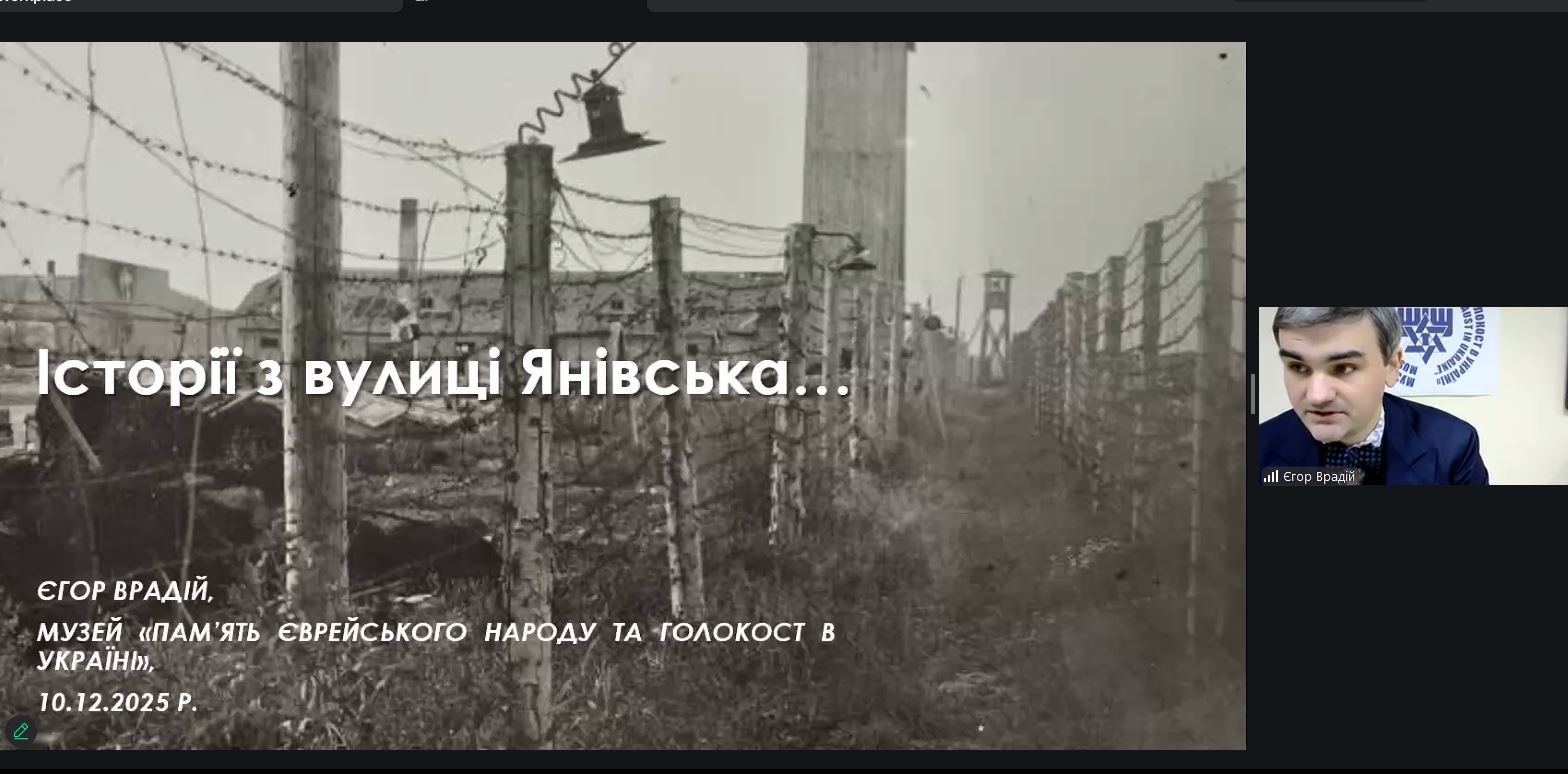
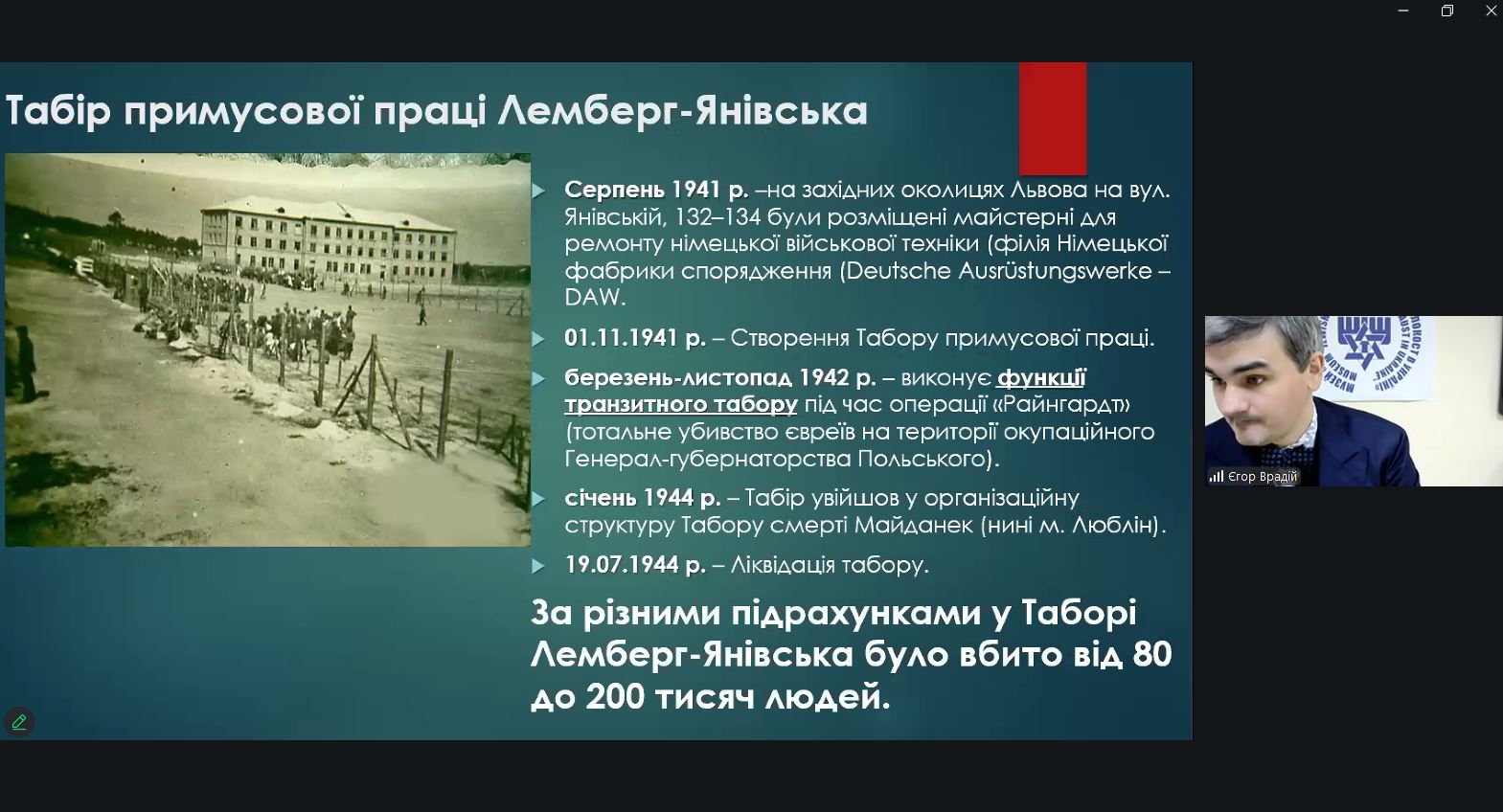
Subsequently, the Nazis began systematic measures of discrimination, separation of Jews from the rest of Lviv's inhabitants, abuse, exploitation, and total murder. In early November 1941, a ghetto was established in the city, as well as the Lemberg-Yanivska Forced Labor Camp (Yanivska Camp).
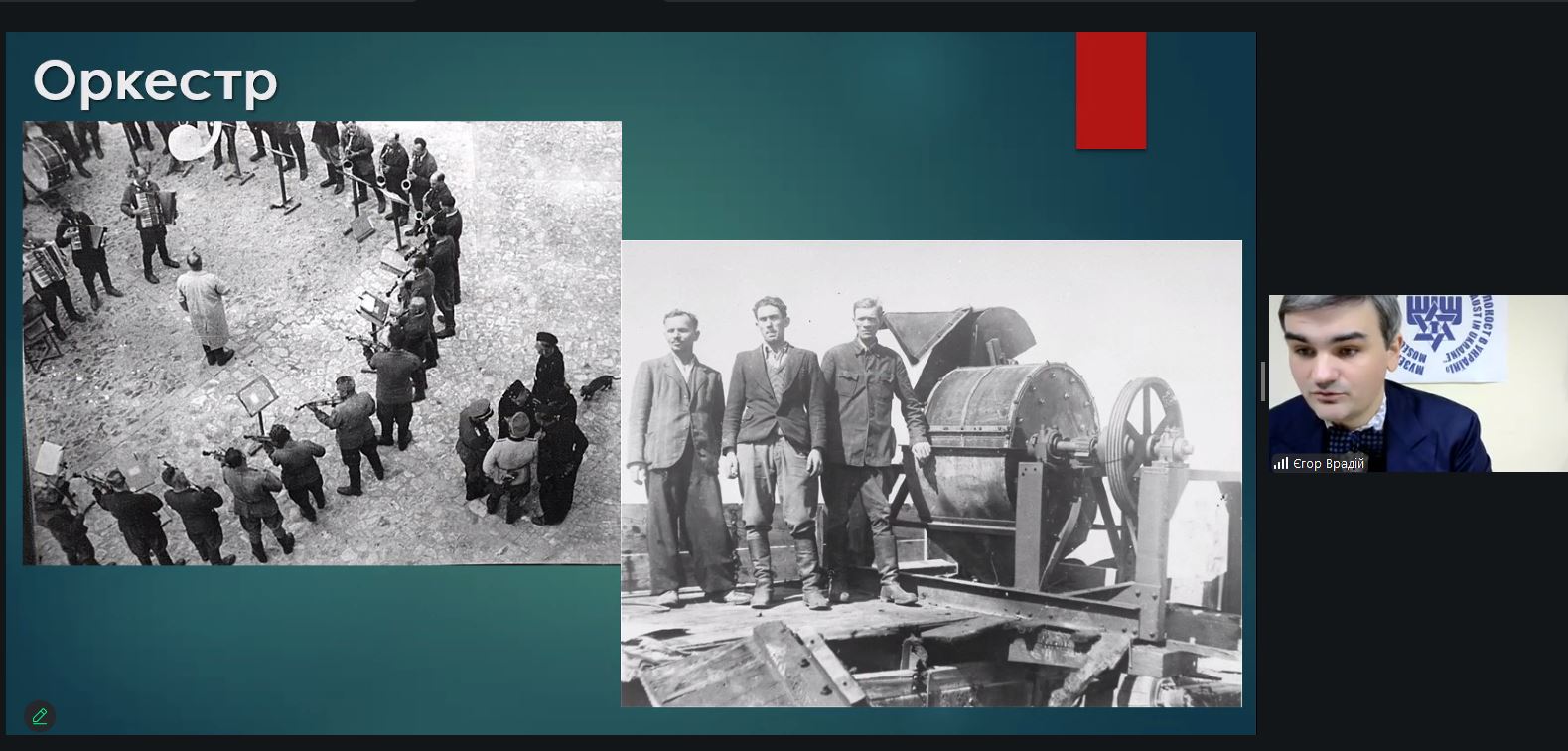
Despite its name, the camp served various functions: a labor camp, a transit camp, and a death camp. In total, up to 200,000 people were killed in the Yaniv camp during the occupation of Lviv, most of whom were Jews.
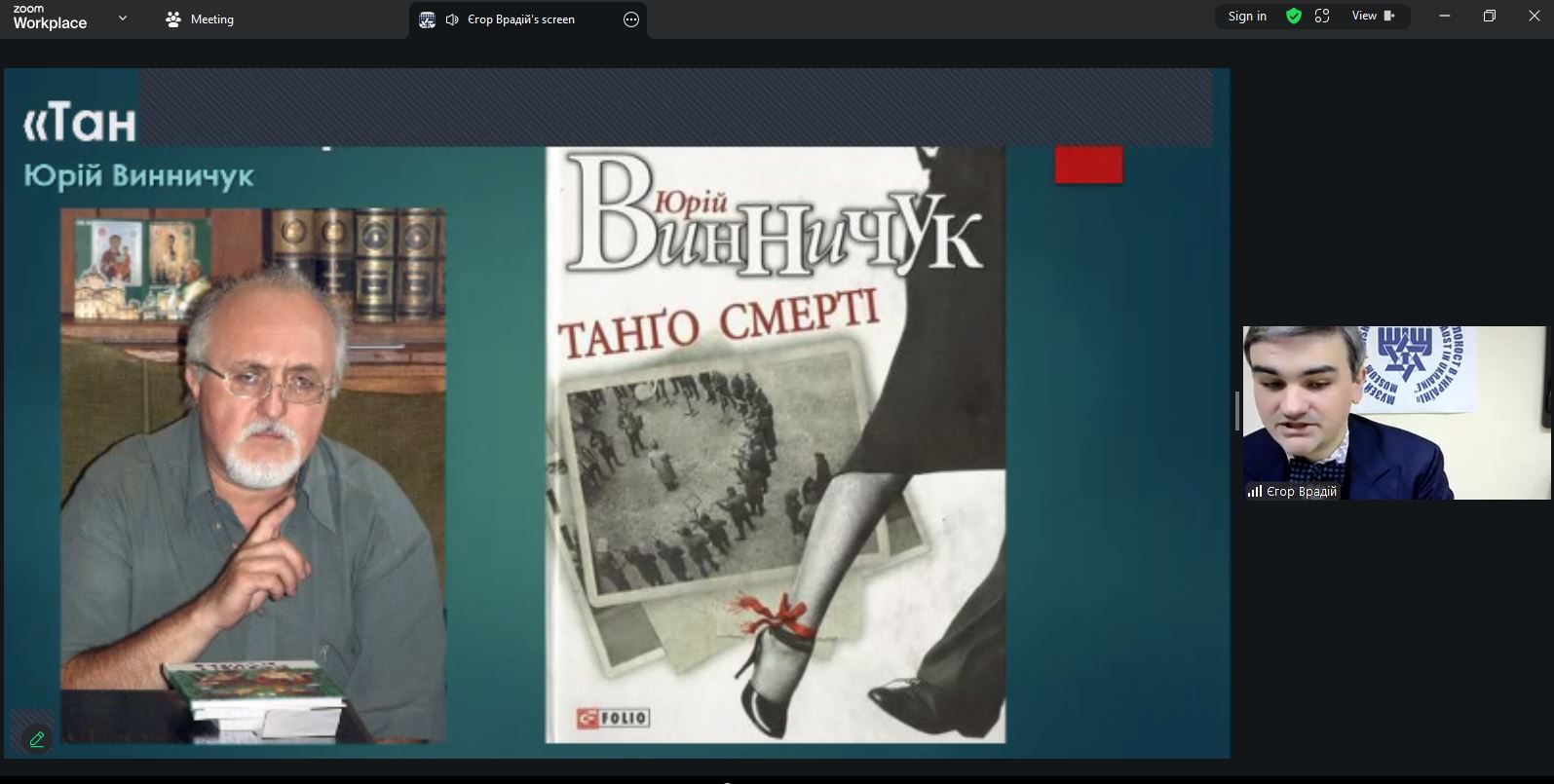
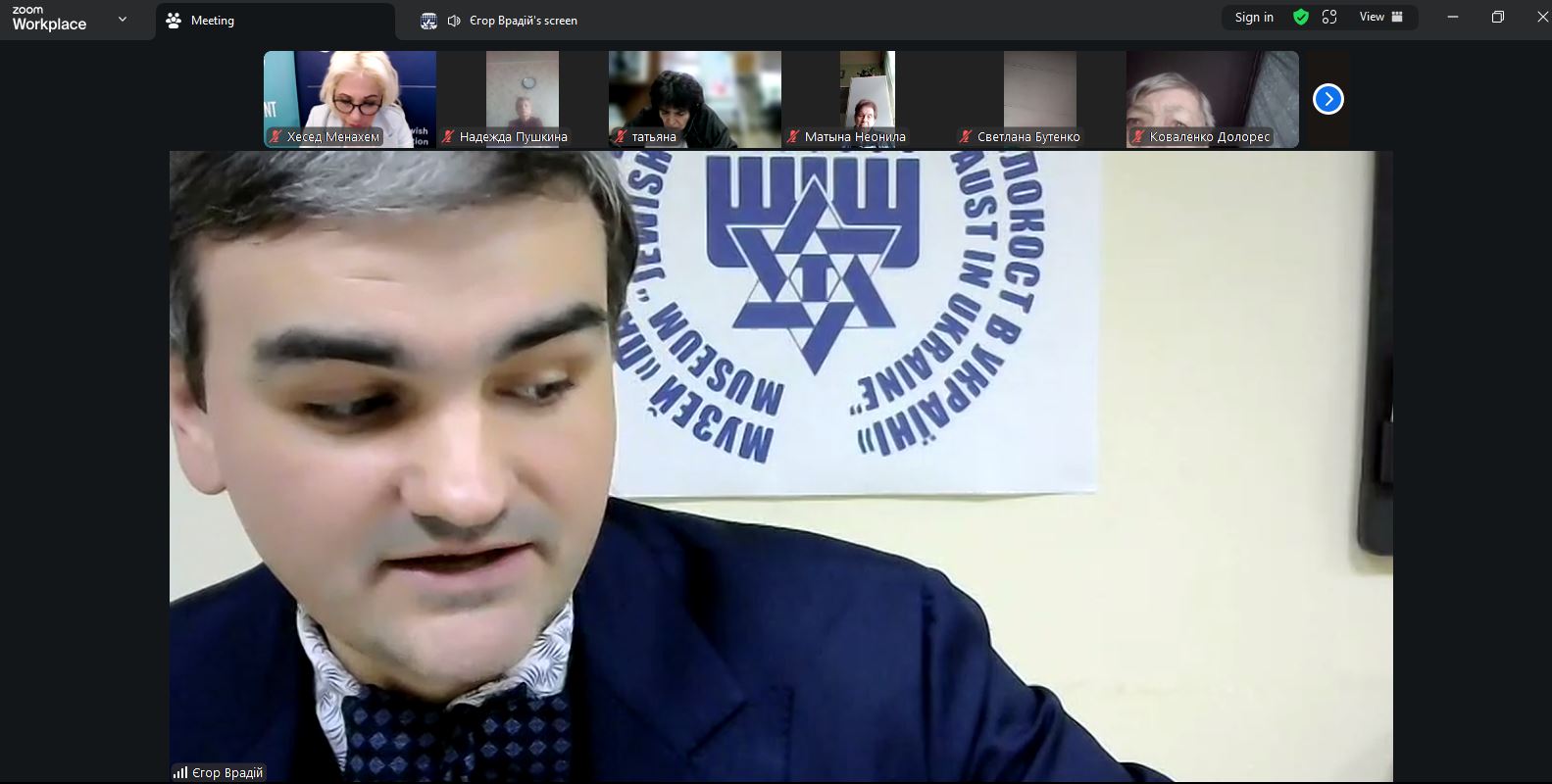
On December 10 (Wednesday), as part of a joint project of the Museum “Jewish Memory and Holocaust in Ukraine” (Dnipro) and the Charitable Foundation “Hesed Menachem”, an educational class “Stories from Yanivska Street...” was held, dedicated to one of the most terrifying places on the map of Nazi-occupied Ukraine, as well as to the people who became victims of the camp. The class was conducted by the Deputy Director of the Museum for Scientific Work, Dr. Yehor Vradii.