This year, at the end of May, an extraordinary Person, one of the leaders of the Jewish revival in Dnipro and Ukraine, Arkadii Shmist (1946–2005), would have turned 80 years old[1]. Unfortunately, he has not been with us for over 20 years. However, despite his premature passing, A. Shmist left behind many important achievements. One of them was the preservation and commemoration of the memory of Jewish victims of the Nazi genocide in Dnipro.
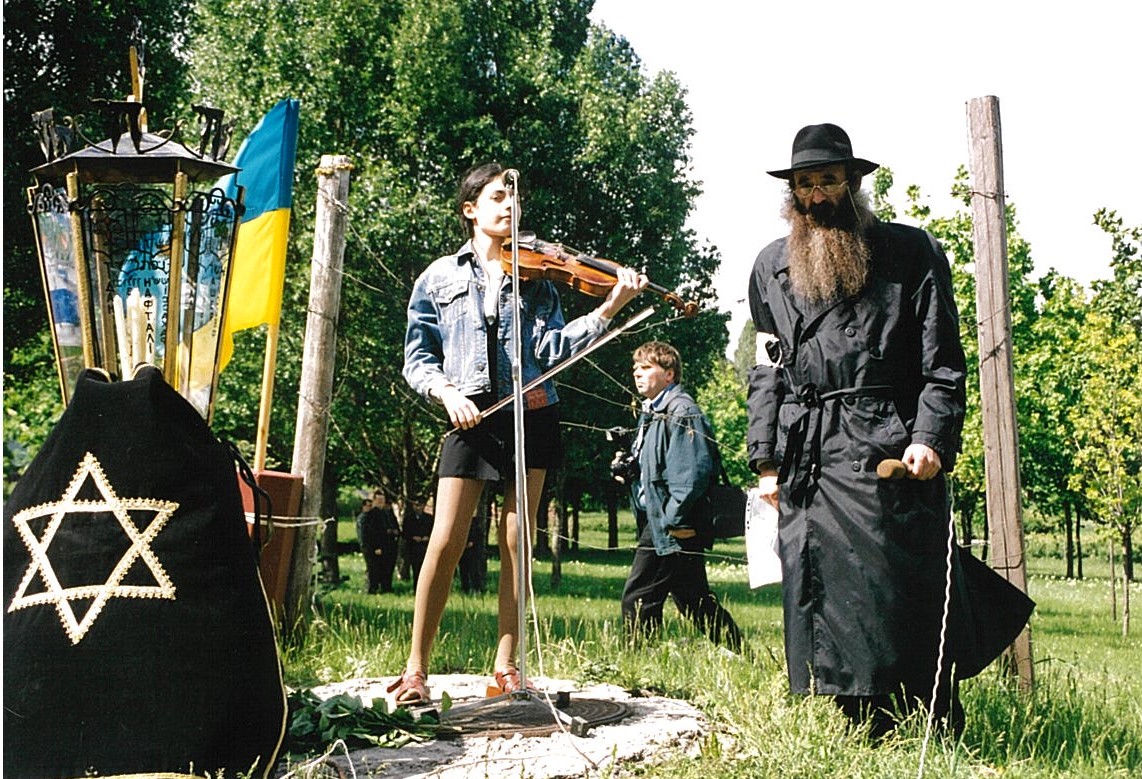
It was A. Shmist who was one of the initiators of open memorial events on the territory of the Student Park[2] – the place where on October 13–14, 1941, German police units killed between 11 and 13 thousand residents of the city. In the late 1980s, mourning rallies initiated by A. Shmist and the Dnipro Jewish Community gathered several thousand people – residents of the city.
For a long time, A. Shmist sought not only to properly honor the memory of the victims but also to protect their final resting place from desecration. Unfortunately, the latter was only partially successful. The city and the leadership of the Dnipro State University[3] at that time ignored the history of the site and, with a conscience unburdened by moral reservations, executed a still Soviet (both chronologically and in spirit) plan to build a stadium. Thus, on the spot where, by the will of the misanthropic Nazi regime, children, women, and elderly people – residents of our city – were deprived of their lives, a facility for healthy leisure appeared. One totalitarian regime – the Nazi one – sought the total physical destruction of the Jews; those raised on the values of another – the Communist one – unwittingly showed solidarity with the Nazis and built over the site of the Jewish tragedy with blatant indifference.
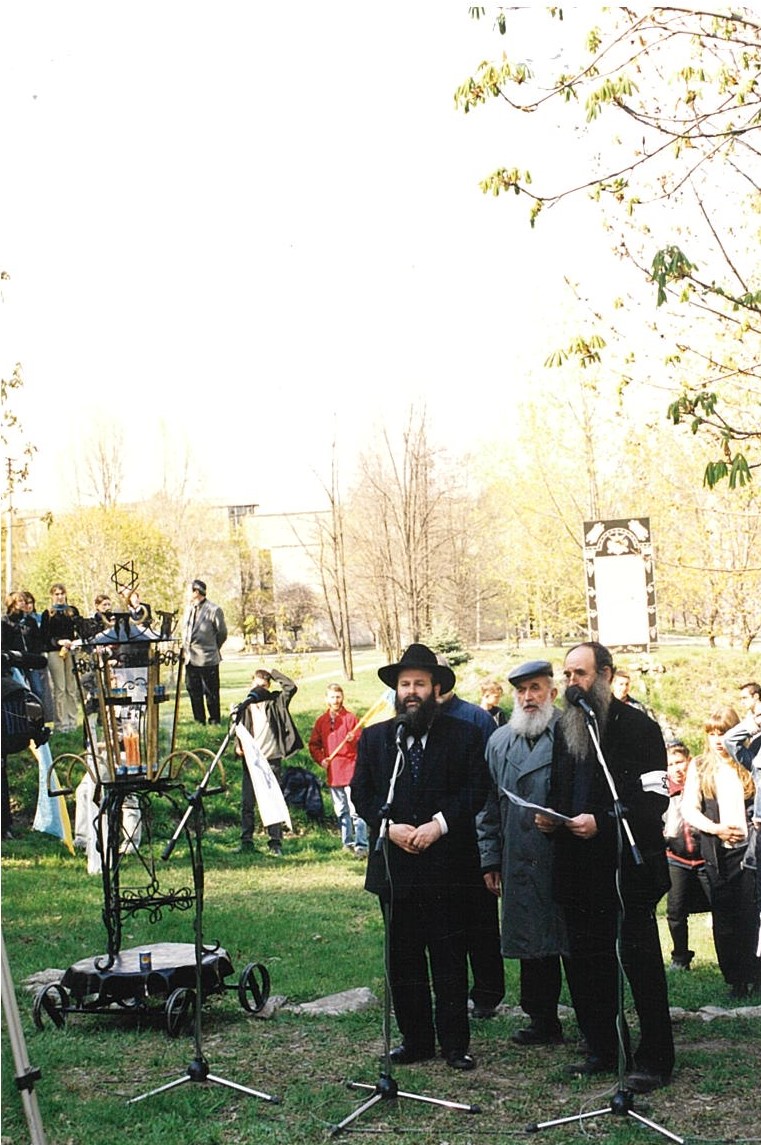
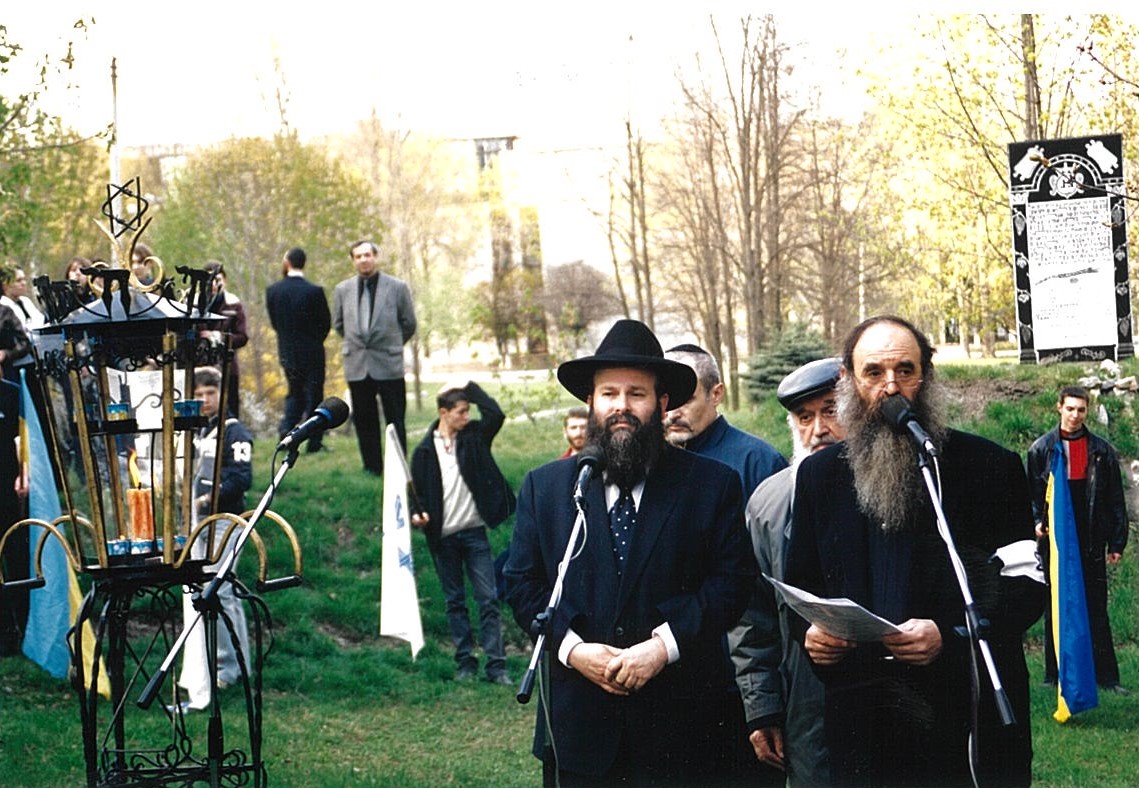
Nevertheless, it was thanks to the energy of A. Shmist that a monument appeared on one of the slopes of Dovha Balka, marking the site of the tragedy nearly sixty years after the fatal October 1941[4]. The monument was meant to be only the initial stage on the path to creating a large-scale memorial that would include references to everyone killed by the Nazis in the territory of Dovha Balka. To this end, A. Shmist, along with like-minded individuals, conducted painstaking work to create a register of Holocaust victims from among the residents of Dnipro.
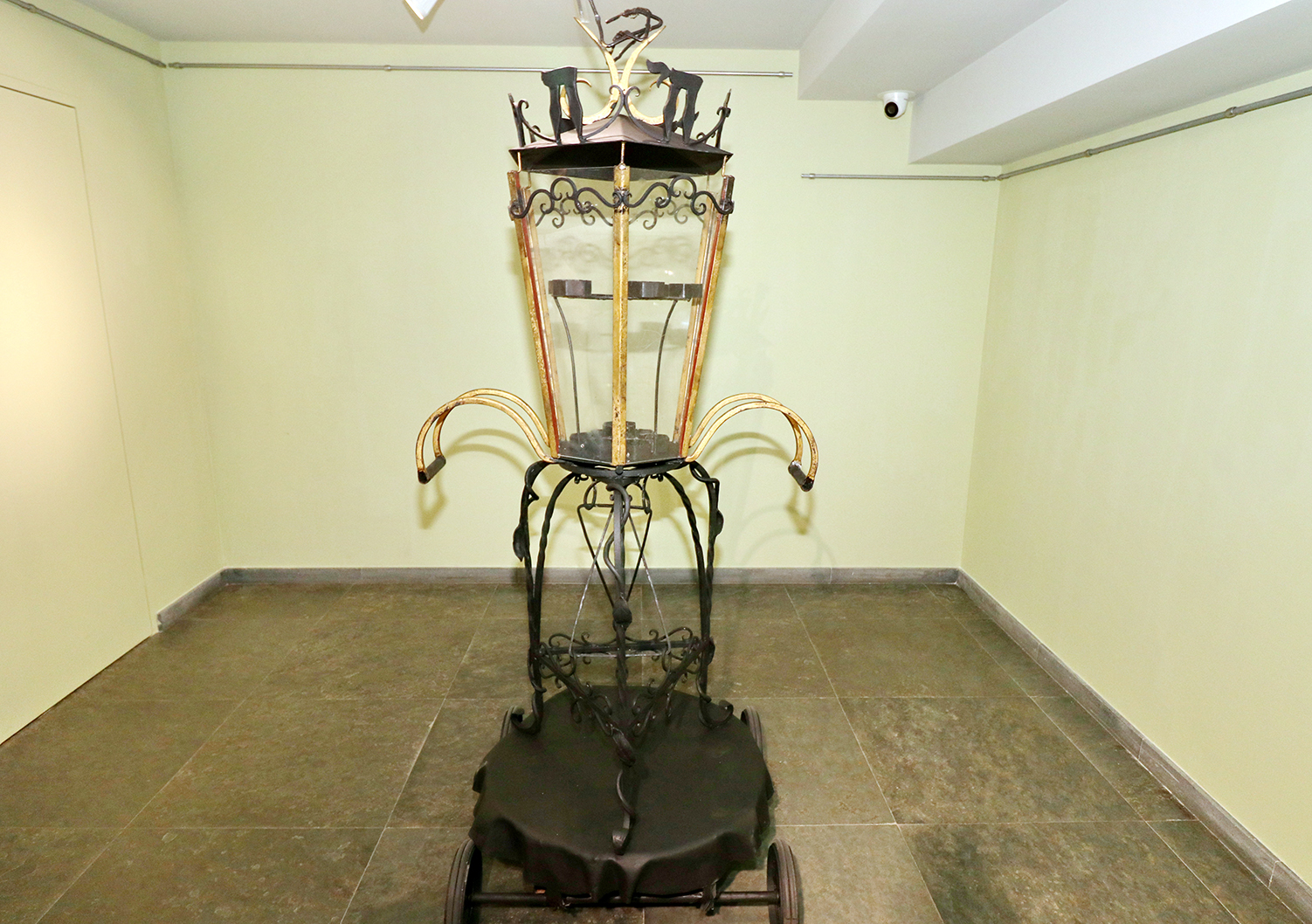
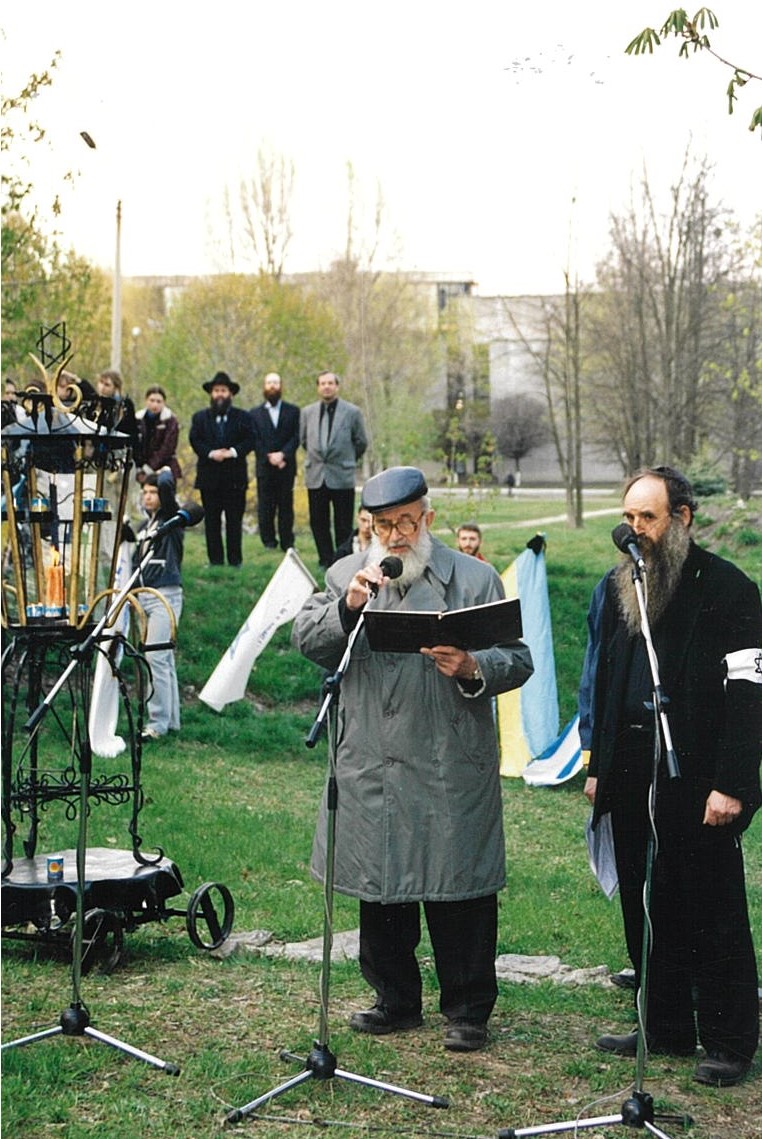
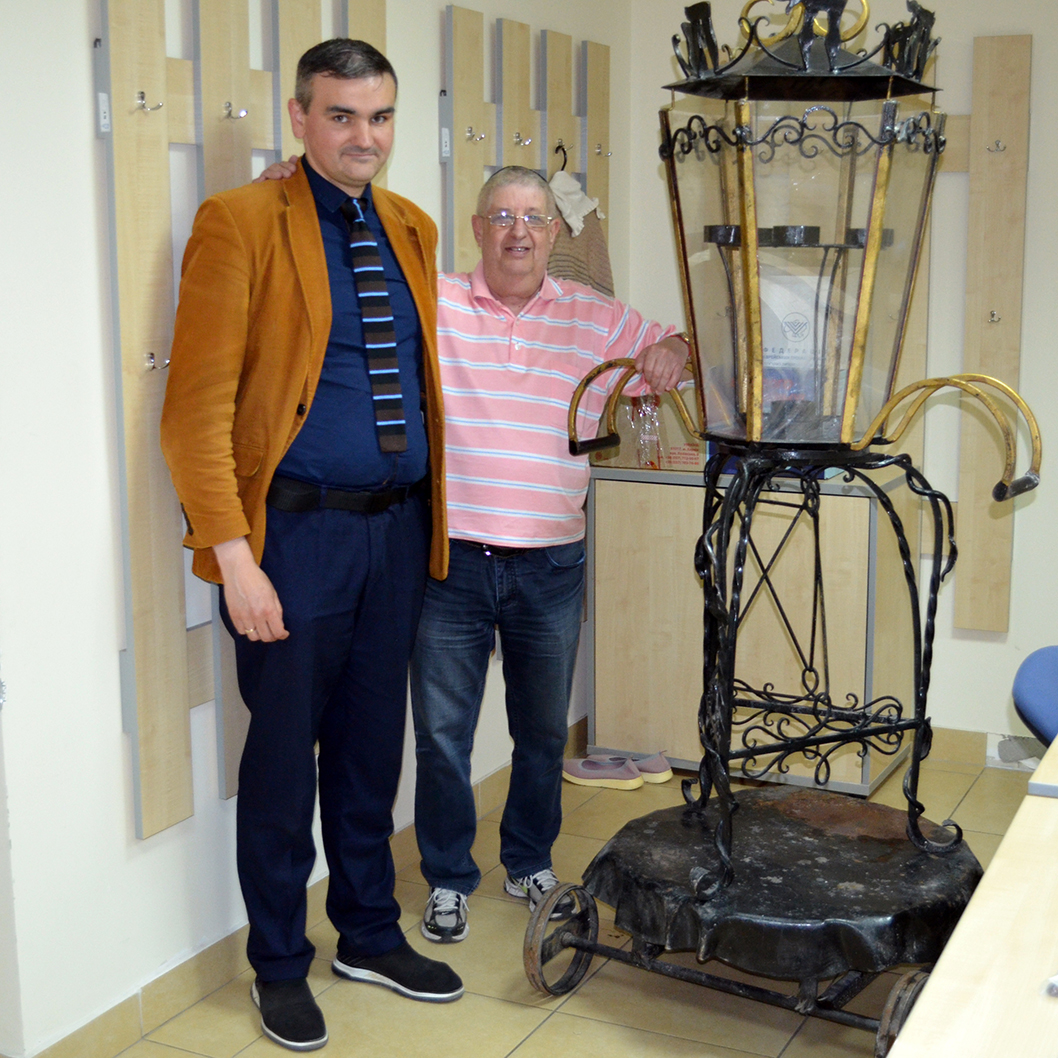
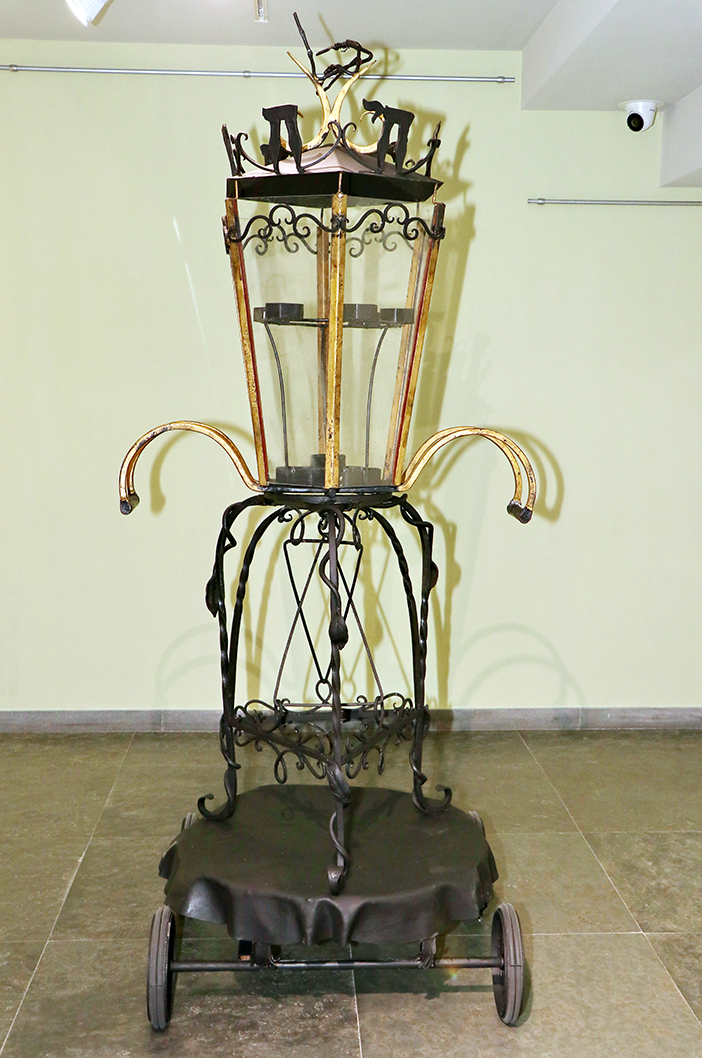
The candlestick you see in the photo is also one of A. Shmist’s creations. Even before the memorial sign was installed, this memorial art object was used by the Dnipro Jewish Community during commemoration ceremonies. The candlestick holds 12 candles, which symbolically remind us of the thousands killed in the Dnipro ravine, and symbolize the memory of more than six million Jews – victims of the Holocaust.
At the top of the lamp, there is a symbolic six-fold repetition of the combination of the Hebrew letters ה ('Hei') and י ('Yod'). Together, the letters form the word 'Chai' ('living') and symbolize the revival of Life despite the Catastrophe that befell the Jewish people. In one of the publications of the Shabbat Shalom newspaper, the candlestick is called 'Menorat Zikaron' (מנורת זיכרון)[5], which translates to 'Menorah of Memory' and emphasizes the memorial function of the object.
The candlestick is now housed within the walls of the Jewish Museum. It serves as a reminder of the deeds of Arkadii Shmist, as well as the people of his generation – those who stood at the origins of the revival of the Dnipro Jewish community in the late 1980s.
The Museum is sincerely grateful for this priceless gift to Rabbi Reuven Kaminetsky, as well as to Oleksandr Shefer for facilitating the transfer of the exhibit.
[1] More details about Arkadii Shmist can be found in a short essay by Oleksandr Bystriakov, «Згадаймо Аркадія Шміста»( 'Let's Remember Arkadii Shmist'), published in the latest issue of the ‘Shabbat Shalom’ newspaper. The article is available at the link https://shabat.com.ua/perehrestya-chasiv/zgadajmo-arkadiya-shmista/.
[2] Until 2023 – Yuri Gagarin Park.
[3] Now – Oles Honchar Dnipro National University.
[4] The monument, designed based on a sketch by A. Shmist, was erected on October 29, 2000. It states in two languages (Ukrainian and Hebrew): 'In this ground lies the ashes of 10,000 peaceful Jews of Dnipropetrovsk, brutally murdered on October 13–14, 1941, and of many other holy brothers and sisters, tortured and shot by the Fascists (1941–1943). May our G-d remember them and all the righteous of the world in His mercy, and avenge the shed blood of His servants (from the "Father of Mercy" prayer).'
[5] Perhat H. День Катастрофы (Day of the Catastrophe) // «Shabbat Shalom». – 2001. – No. 5 (99) (May). – P. 3.