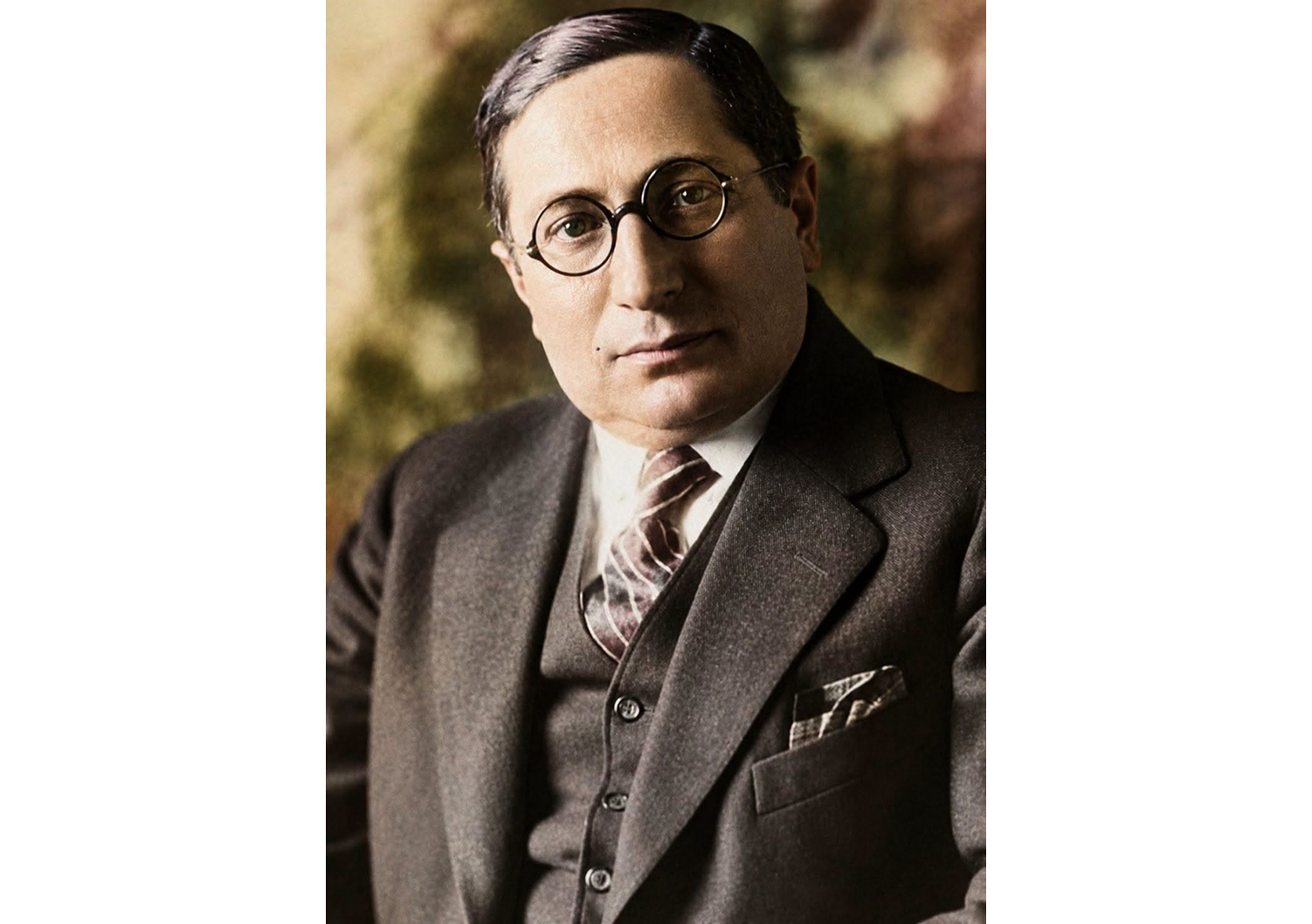
Louis Bart Mayer (born Lazar Yakovlevich Meir) is one of the first Hollywood film producers, founders of the American media company Metro-Goldwyn-Mayer and the American Academy of Motion Picture Arts and Sciences, who proposed creating the main film award, the Oscars.
Lazar was born in the village of Dymer in the Kyiv region (now Vyshgorod district of the Kyiv region) in the Jewish family of Jacob and Sarah Meir. In the 1880s, about 250 thousand Jews emigrated from the Russian Empire. Among them were Jacob and Sarah with their children Etta, Ida and the younger Lazar. First, the family left for Minsk, from where it was easier to get through Warsaw to Hamburg, and then by ship to the New World. For several years, the Meirs saved money. In 1886, the family finally ended up in the USA and settled in the state of Rhode Island. Here two more sons appeared - Rudolf (Rubin) and Jeremy (Jeremiah). Later, the family moved to the Canadian city of Saint John. The father earned a living by collecting scrap metal and disposing of household waste, and he involved his sons in this, calling the company “Mayer and Sons.” The mother worked on a poultry farm.
In 1904, Louis Mayer moved to the United States. How much he loved his new homeland is evidenced by the fact that when he received his passport, he “assigned” his own birthday – July 4, US Independence Day.
At the age of 23, he decided to radically change his life: he rented a neglected and dirty theater in the town of Haverhill, Massachusetts, renovated it himself, washed the hall and opened his first cinema, the Orpheum, on November 28, 1907. Louis focused on high-quality, family-friendly cinema and comfort. Business went uphill. A few years later, he owned all the cinemas in the city.
In 1914, Mayer, together with a Lithuanian Jew, Nathan Gordon, created the Louis Mayer Pictures company in Boston. And in 1916, together with millionaire Richard Roland, he founded the Metro Pictures corporation with his film studio in New York. That same year, producer Louis Mayer's first film, The Big Secret, was released. Two years later, Louis Mayer moved the company to Los Angeles. In 1918, he broke off his partnership with Roland and formed his own company, Louis B. Mayer Pictures. The company's first film was called Good Wives (1918). In partnership with B. P. Schulberg, the Mayer-Schulberg studio was created.
In 1924, the main event of his life took place. By merging several companies, Mayer created the Metro-Goldwyn-Mayer film studio. He headed it and turned it into a real dream factory. Louis Bart Mayer made MGM the most financially successful film studio in the world, and the only one that paid dividends to shareholders during the Great Depression of the 1930s.
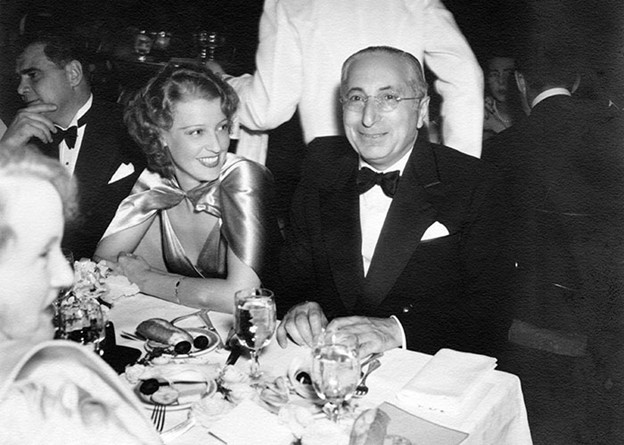
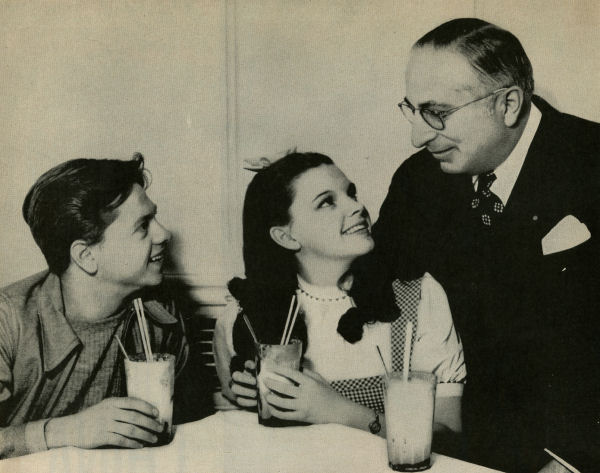
Mayer invented a unique system: he didn't just buy scripts, he created "stars." If he liked the face of an actor or actress, he signed strict long-term contracts with them, changed their names, clothing style, taught them manners and correct pronunciation. It was Louis Mayer who introduced the world to legends such as Greta Garbo, Clark Gable, Joan Crawford, Katharine Hepburn and Spencer Tracy and made them icons. It was under Mayer's leadership that the studio released such masterpieces of world cinema as “The Wizard of Oz” and “Gone with the Wind.” Interestingly, the producer of “Gone with the Wind” was Mayer's son-in-law, David Selznick, whose father, according to one version, was also born in Kyiv.
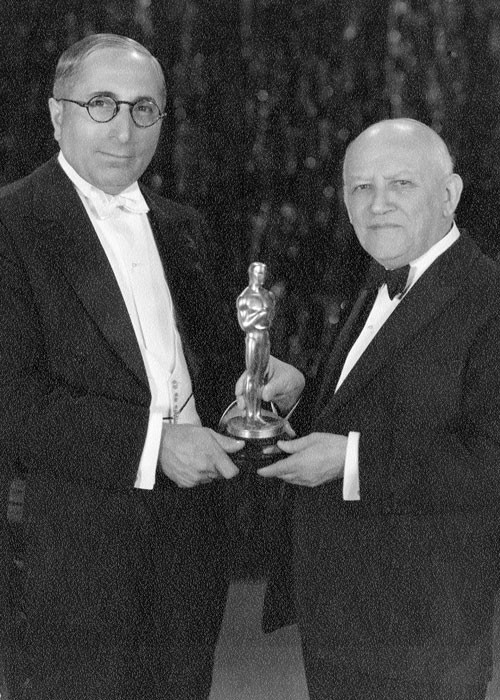
On January 11, 1927, 36 leading Hollywood actors, directors, and producers gathered at the Ambassador Hotel, one of the best in Los Angeles. Louis Bart Mayer, co-founder of Metro-Goldwyn-Mayer, announced the founding of the Academy of Motion Picture Arts and Sciences. The organization was to resolve labor disputes and work to improve the film industry's tarnished image. And to encourage actors to work better, Mayer proposed an annual award – a gold statuette, which the whole world has known since 1929 as the Oscar.
An active member of the Republican Party, Mayer served as vice chairman of its affiliate, the California Republican Party, from 1931 to 1932, and chairman of the board from 1932 to 1933. He was one of the first to use modern public relations tools during elections.
By 1948, due to the introduction of television and changing public tastes, MGM was suffering significant losses. In 1948, Mayer was forced to retire.
Louis Bart Mayer died of leukemia on October 29, 1957, and was buried at Home of Peace Cemetery in East Los Angeles.
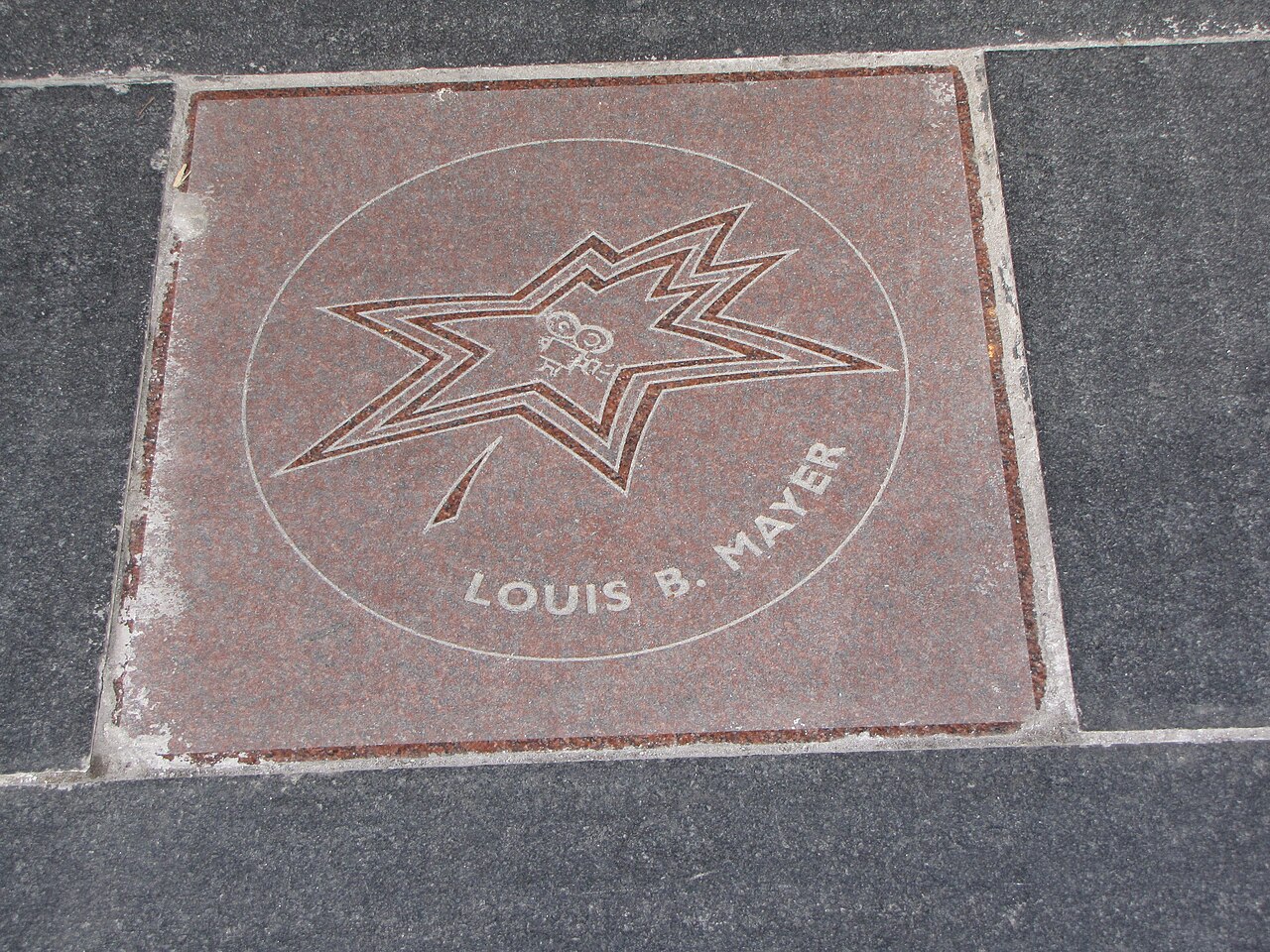
His influence on the development of world cinema is difficult to overestimate. Mayer was awarded an honorary Oscar and a star on the Hollywood Walk of Fame. Time magazine selected him as one of the 100 most influential people of the 20th century.