
Terror was an important tool of communist power from the beginning of the formation of totalitarian society. During the revolution of 1917–1921, punitive actions were part of the class and interethnic war. Later, repressive measures became the norm of the state. Its leaders relied on the monopoly of socialist property in the economy, one-party rule and the elimination of any opposition in politics, and the rejection of pluralism in ideology and spiritual life. So, already in the 1920s, the Chekists systematically carried out reprisals against representatives of non-Bolshevik parties and national movements, ministers of religious cults, and other individuals.
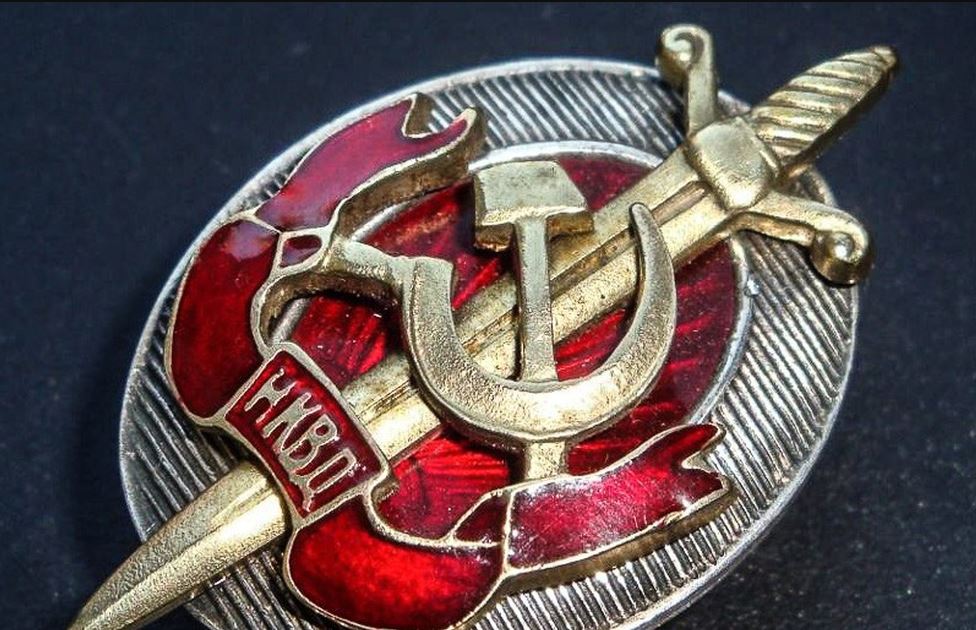
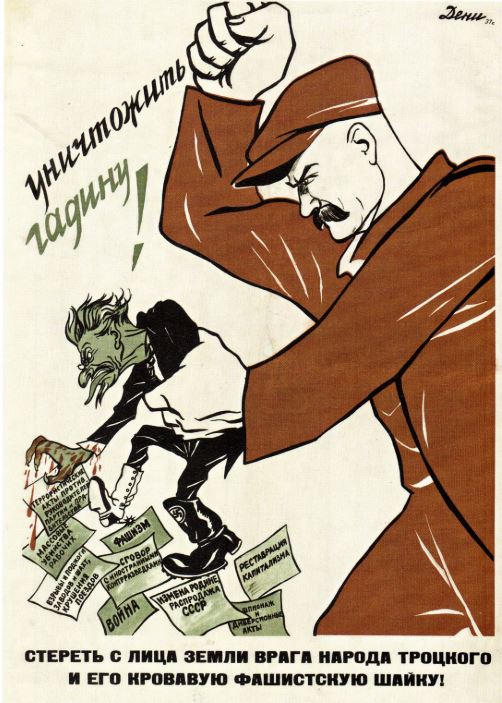
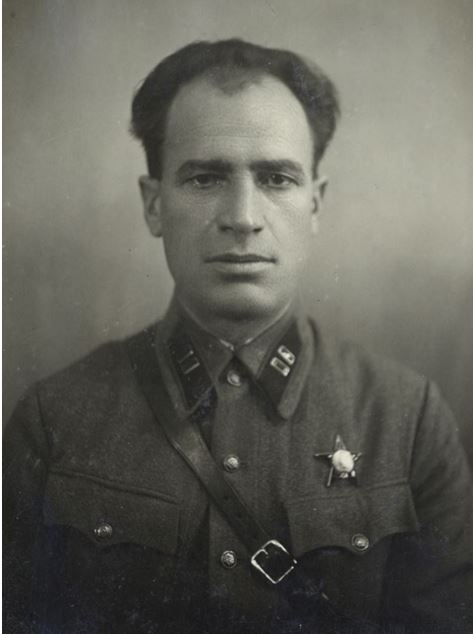
In the 1930s, terror reached an astonishing scale. Most accusations were based on forced confessions obtained through torture. Instead of trials, NKVD “troikas” operated. Hundreds of thousands of people were accused, based on fabricated evidence, of various political crimes (espionage, sabotage, sabotage, anti-Soviet agitation, secret preparation of a coup d’état, terrorism), and then shot or sent to Gulag camps. There, many of them died from malnutrition, exhaustion, and disease… Thus, the communist doctrine, which was not without its charms, proved in practice to be incapable of becoming the basis for building a viable society and increasingly drew Soviet people into a distorted world.
No citizen of the USSR could feel safe; the sincerest loyalty did not guarantee a peaceful life. Entire nations were evaluated in terms of their commitment to the communist dictatorship. Ukrainians turned out to be individualists, unable to appreciate the advantages of collective labor on the land and reacted “painfully” to the deprivation of property. They were “treated” with hunger, eviction to unproductive lands, and the destruction of the creative intelligentsia. The Crimean Tatar people were unjustly accused of joining the Nazis during World War II and were therefore forced to leave their native Crimea.
Regarding the attitude towards Jews, the communist regime underwent a certain evolution. During the early USSR, in the 1920s, the people who had been oppressed by the tsarist regime were granted certain rights: to freely choose their place of residence even outside the former “settlement zone”; to receive higher and secondary specialized education without restrictions by the shameful “percentage norm” of admission; Jews were granted the right to be in the civil service (which they happily took advantage of and were given the opportunity to work in party and Soviet government bodies, economic administration and special services). However, the spiritual foundation of the Jewish people – Judaism – suffered. Hebrew, Jewish education, and the traditions of Jewish public life, which usually revolved around the synagogue and other communal institutions, were outside Soviet law. That is, for the granting of certain rights, Jews paid, using modern vocabulary, their own “denazification”. In addition, the class war undermined the economic basis of the life of the Jewish people - all large and medium-sized, and later also small enterprises owned by Jews, passed into state ownership, which destroyed the possibilities of Jewish charity. Thus, the nation was split as among other peoples of the USSR, among the Jews there were both victims of political persecution and leaders of the NKVD system.
However, the situation of the interwar period was still strikingly different from the subsequent periods of life of Jews in the USSR. After World War II, the USSR confidently moved to openly anti-Semitic political practices. Jews were considered perhaps the most disloyal population of the Soviet country: too intelligent, invisibly united by the solidarity of a common ethnic origin and historical persecution. The factor of the formation of the State of Israel, which followed a non-communist path of development, finally undermined trust in the Jews of the USSR. The fight against “cosmopolitans”, “Zionists” became an important component of the development of political persecution until the collapse of the Soviet Union.
The use of mass repressions dehumanized the Soviet people: obedient, intimidated citizens lost the ability to resist the most brutal actions of the authorities. This influenced the course of the Holocaust in the Nazi-occupied territories of the USSR. This continues to affect the citizens of the post-communist Russian Federation today, who are largely incapable of even mentally resisting propaganda, have difficulty distinguishing between good and evil, and consider violence to be the most convenient way of communicating between people and nations. Those who have the courage to think and act outside the Kremlin's mold are subjected to brutal political repressions.
We honor the victims of the communist dictatorship of the 20th century.
We remember the victims of political persecution of the 21st century.