Every second Sunday of May, Ukraine and almost 80 other countries around the world celebrate Mother's Day. The history of the holiday in honor of mothers has a centuries-old tradition and diverse ethnic and religious background. Taking this opportunity, we congratulate all mothers on the holiday, wishing them health, bright and joyful days, and thank them for their warmth, support, and patience.
On this holiday, the Museum invites you to get acquainted with the extraordinary figure of Stefania Wilczynska, who was the “heart, brain, caregiver, mother” for hundreds of Jewish orphans. Who is “Mrs. Stefan” who kept order in the famous Orphans’ House – a Warsaw orphanage led by Janusz Korczak?
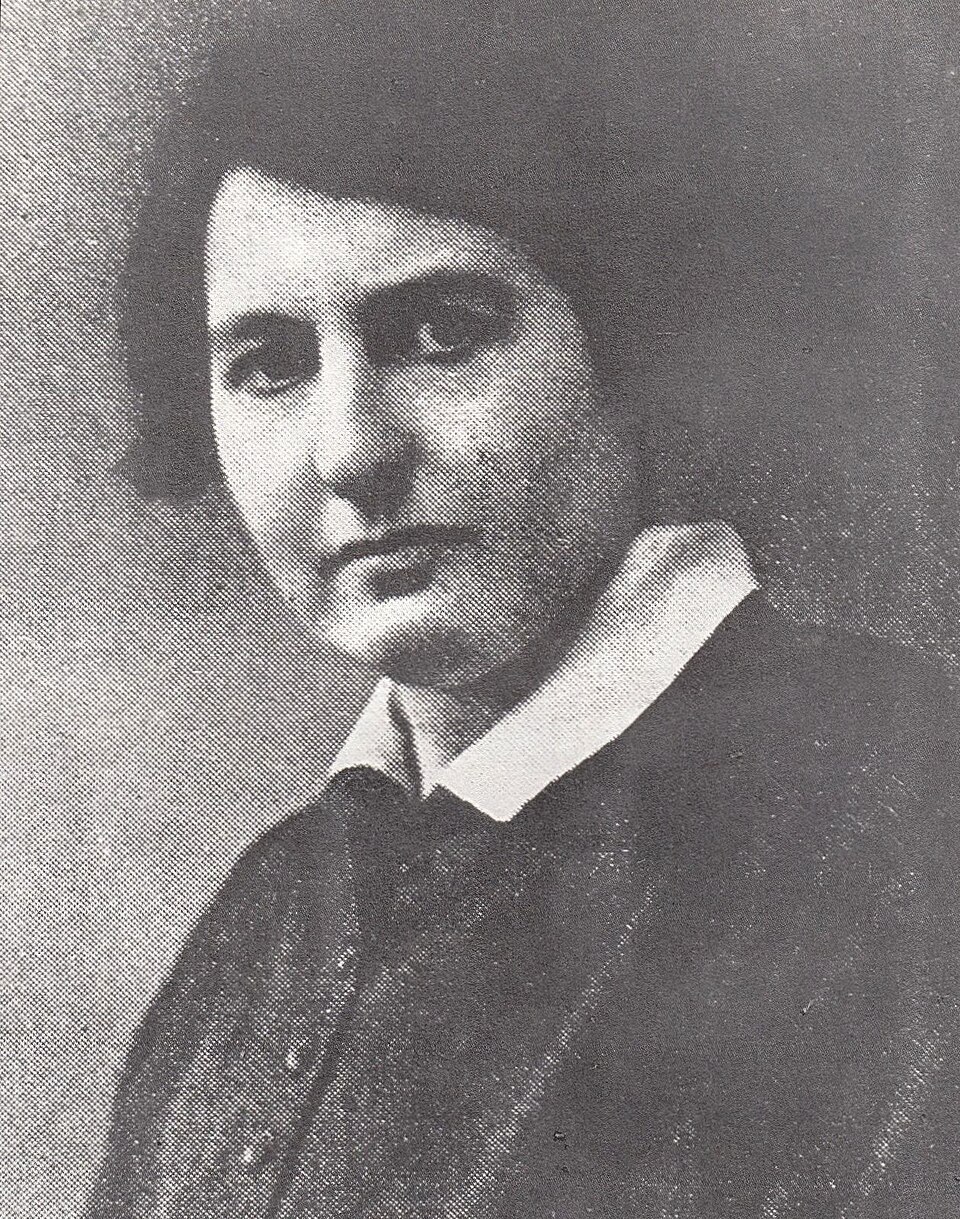
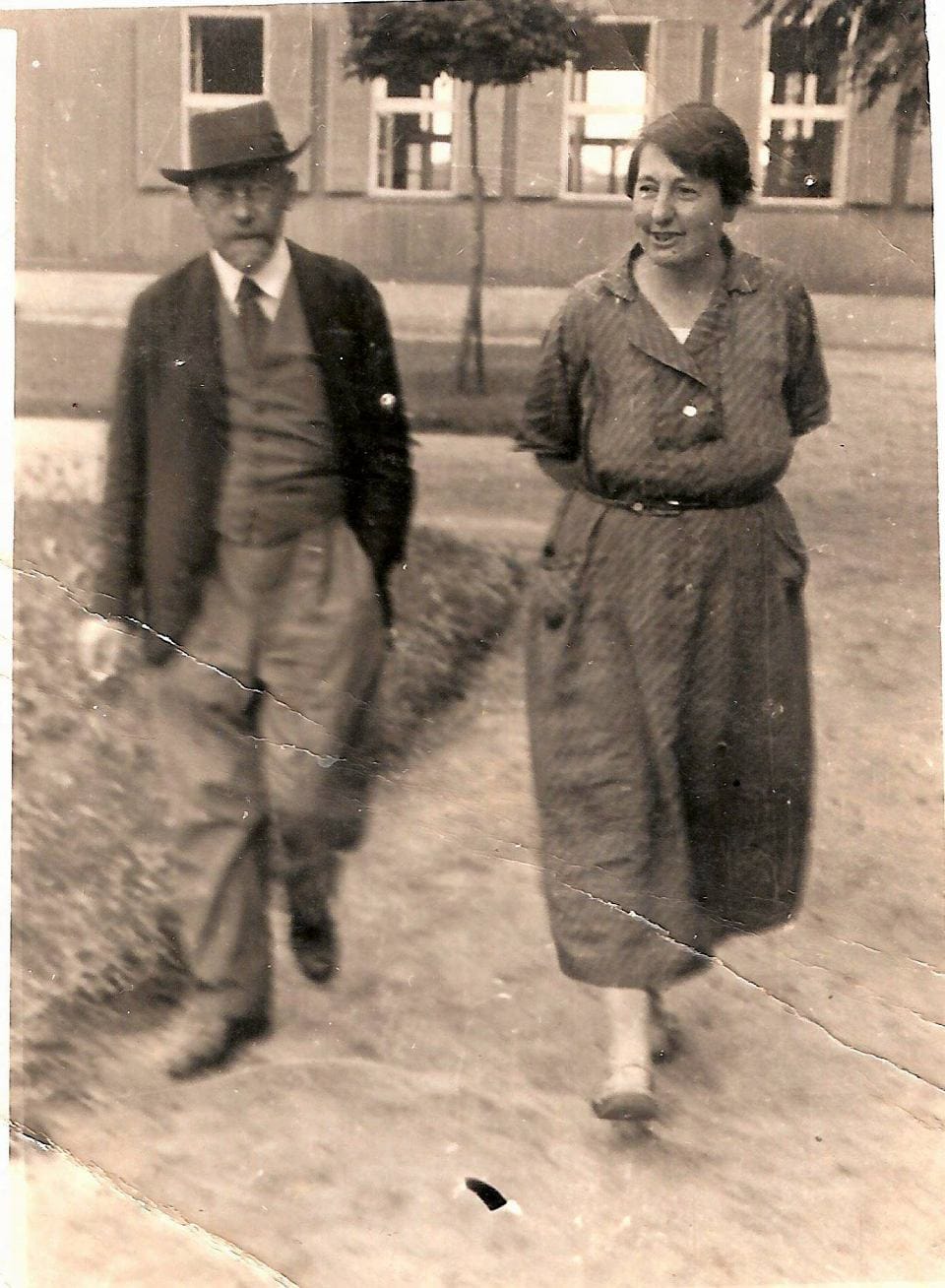
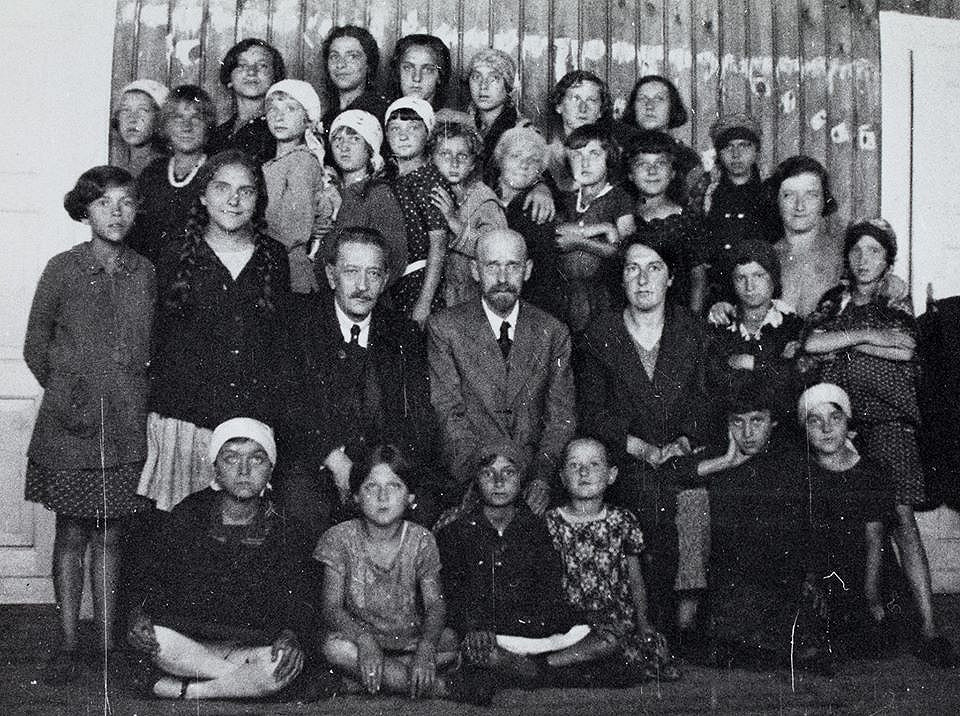
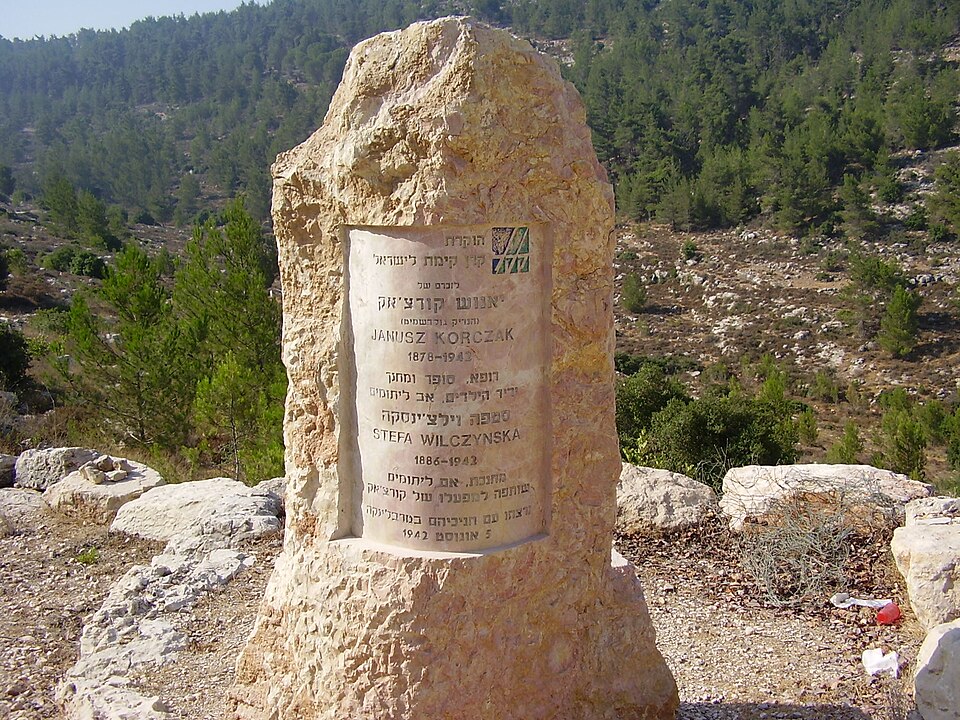
Stefania Wilczynska was born on May 26, 1886, in Warsaw into a family of wealthy Polish Jews. She studied at the Jadwiga Sikorska boarding school in Warsaw, the Faculty of Natural Sciences of the University of Liège (Belgium), and in 1906 she studied natural sciences at the University of Geneva (Switzerland). After receiving her education, Stefania returned to her native Warsaw, where she began working as a volunteer in a shelter for Jewish orphans. She set up the work of the neglected shelter and was soon appointed to a managerial position. It was there in 1909 that Stefania met Janusz Korczak, which became a fateful event for these like-minded people - their cooperation, with short breaks, continued until the death of both in Treblinka. In 1912, the Orphans' Aid Society opened an orphanage on its own premises at 92 Krochmalna Street. Stefania Wilczynska became the head teacher of the institution, which was headed by Janusz Korczak. However, Wilczynska repeatedly took on leadership responsibilities due to Korczak's extensive activities outside the orphanage: his military service during World War I and his trips to Palestine in 1934 and 1936.
Stefania Wilczynska was responsible for organizing the daily work of the Orphanage. According to the recollections of one of the former residents, the shelter worked “with the precision of a Swiss watch.” Among other things, Stefania developed a rotation system and maintained contact with children who had already left the institution. From the mid-1920s, Mrs. Stefa was also responsible for the young educators who were staying at the orphanage and were gaining their first teaching experience there. As an educator, she also had the opportunity to prove herself in Palestine, where she traveled four times. Wilczynska also performed the duties of an inspector, visiting various Jewish institutions of care, where she shared her experience.
Like Janusz Korczak, Wilczynska considered emigrating to Palestine, where she lived in the Ein Harod kibbutz, but, sensing the approach of war, she returned to Poland in the spring of 1939. In a letter sent to friends from the kibbutz, she wrote: “My dears, everything is fine with us. I work a little in the shelter, Korczak a lot. I will not come because I do not want to go without my children.”
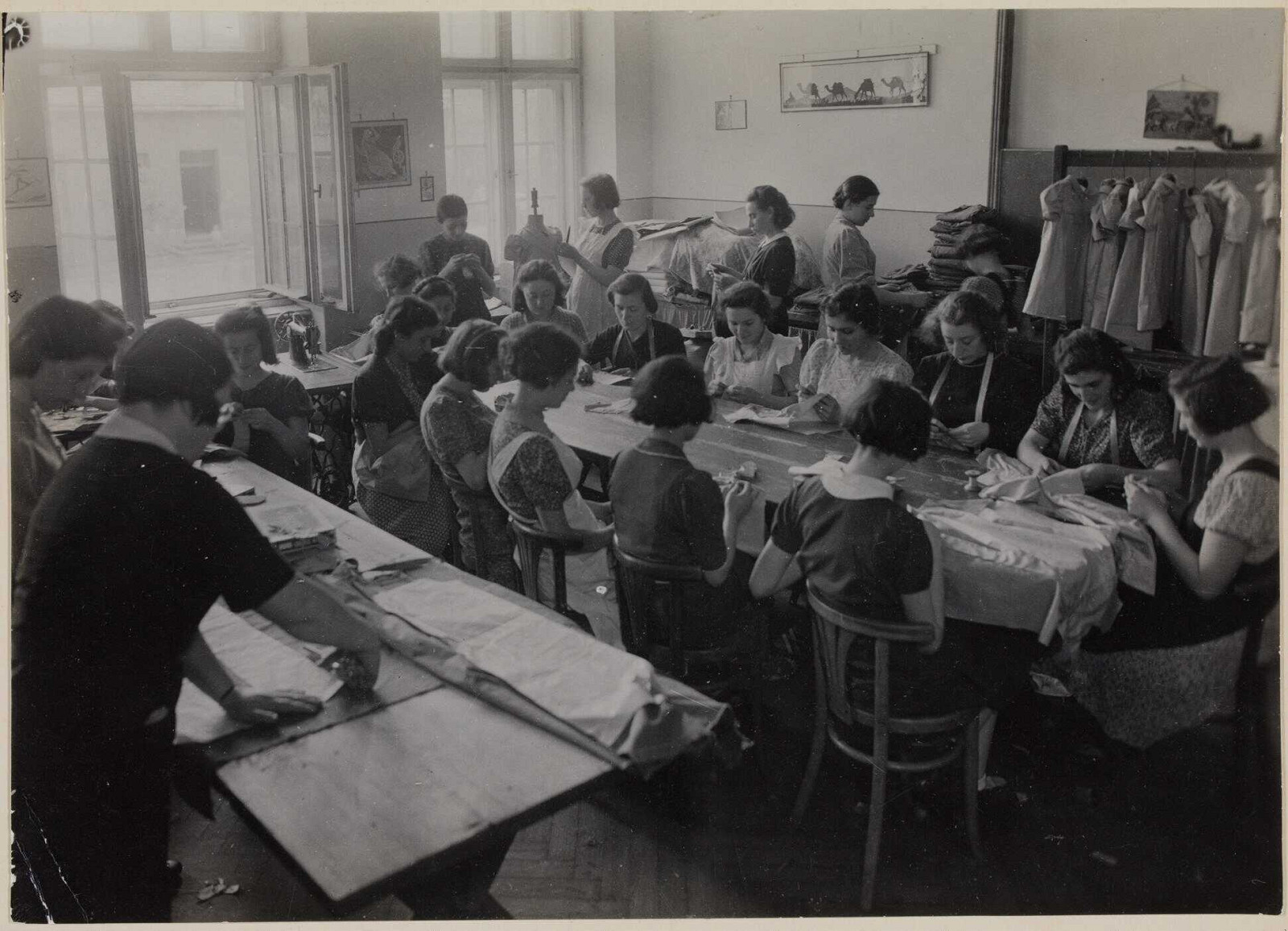
During the first weeks of the war, Mrs. Stefa organized a first aid station at 92 Krochmalna Street, and later a sewing workshop. Together with Korczak, other Jewish workers and children, Wilczynska moved to the closed Jewish district. Having a chance of salvation, she remained in the institution until the very end, taking care of the children and her colleagues. During the “great action”, on August 5, 1942, the Nazis took Stefania Wilczynska, Janusz Korczak, other teachers and children, to Umschlagplatz. From there, they were sent in freight cars to the death camp in Treblinka, where they all died.
For many years, the life story of Stefania Wilczynska remained in the shadow of the story of Janusz Korczak. Fortunately, gradually, together with other women, social activists, teachers and caregivers, her figure is becoming increasingly visible in the history of charity and care for those who need it most. In 1947, Stefania Wilczynska was posthumously awarded the Silver Cross for significant achievements in the field of childcare. In 2004, Ms. Stefania's book “A Word to Children and Teachers” was published. In 2015, several books dedicated to the life story of Stefania Wilczynska were published in Poland.
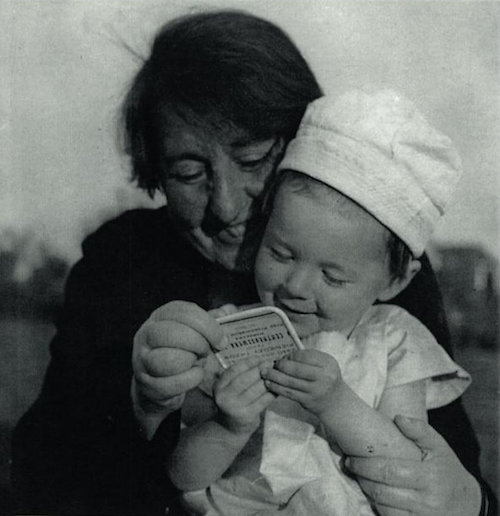
Mrs. Stefa never created her own family, but she treated the children and residents of the orphanage with special care. She maintained long and warm relationships with many of them. She treated the children of her former residents as her grandchildren and allowed them to call her “Grandma Stefa.” “Stefa was with us 24 hours a day. We felt her presence even in our dreams. We were also aware of how she cared for our every need” (from the testimony of Yitzhak Belfer, Yad Vashem, 1992).