
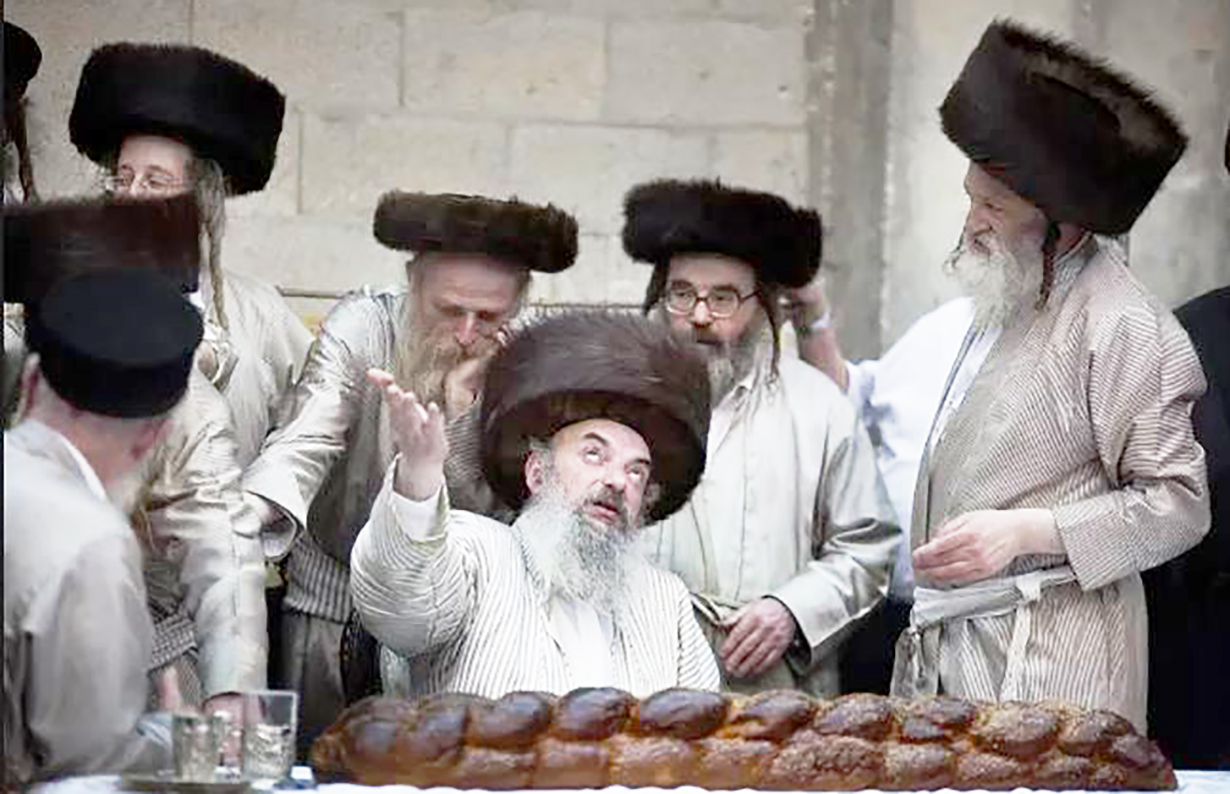

Yesterday, not only the calendar spring, but the real, sunny and warm spring began. In the Jewish tradition, there is the same sunny, warm and cheerful holiday of Purim, which is celebrated on the 14th of Adar (this year, March 3), although the celebration begins the evening before. On this day, costumed theatrical parties are held, usually with bizarre costumes – Purim plays. At the table, a special prayer is read about the miracle that happened in those days in the 5th century BC. e. The obligatory dish is gomentashi (or “Haman's ears”) – triangular cookies with poppy seeds. Traditional stuffed fish, lots of wine and sweets are also served to the table. On this day, Jews should have a lot of fun and bright fun. In addition, they should send gifts of food or drinks, as well as make donations to charity.
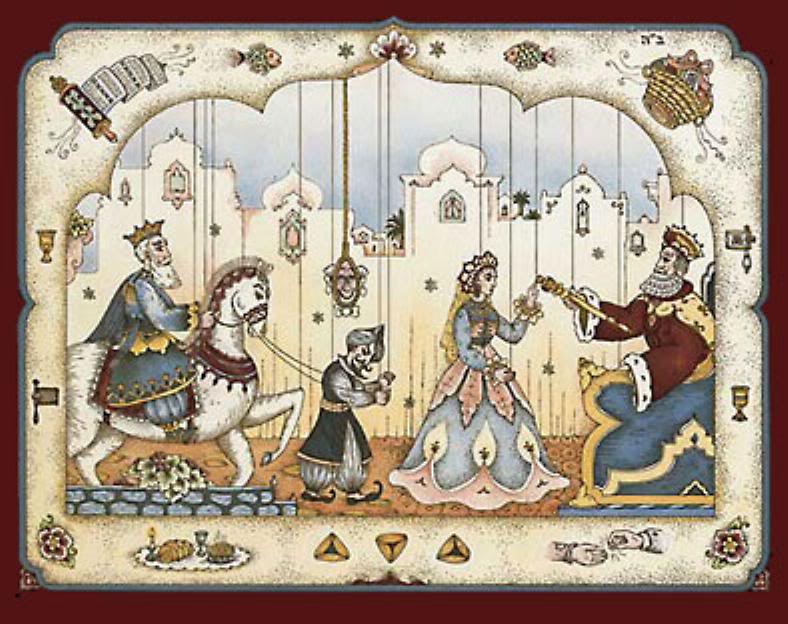
Purim is a holiday commemorating the miraculous salvation of the Jews in the Persian Empire over 2,400 years ago. Haman, an advisor and favorite of King Ahasuerus, obtained from him a decree to destroy all Jews in the empire. The word “pur” in Hebrew means “lot”. Therefore, the holiday is called “Purim”, which refers to Haman's conspiracy to cast lots to determine when all Jews would be destroyed. However, through the efforts of the spiritual leader of the Jews, Mordecai, and his niece Esther, who, keeping her origin a secret, became the king's wife, Haman's plans were thwarted, and he himself perished along with other enemies of the Jews. The day determined by lot for the destruction of the Jews turned into a day of victory over enemies and is celebrated as the most joyful holiday.
The story of Purim is set forth in the biblical book of Esther, which is why the Maghilat Esther (Scroll of Esther) is read publicly on Purim in the evening and the next morning.
Among Jews, Purim is the only holiday when you can not only drink wine, but it is even recommended to drink a huge amount so as not to feel the difference between the words “cursed Haman” and “blessed Mordecai.”
The story of Purim is very symbolic and is repeated in our time. Today's personification of evil is just new masks behind which the same face of Haman is hidden. But, as 2400 years ago in Khuzestan, the “pur” for modern Haman will turn into his own downfall. The empire, confident in its power, will collapse, leaving behind only an instructive page in a book like the Book of Esther.
So happy holidays!
Hag Purim Sameach!