
«Чорне молоко світанку ми п’ємо його ввечері
ми п’ємо його вдень і зранку ми п’ємо серед ночі
ми п’ємо і п’ємо
ми копаємо яму в повітрі там не тісно лежати
В домі живе чоловік він зі зміями бавиться й пише
він у сутінках пише в Німеччину волосся твоє золоте Маргарито…»
З «Фуги смерті» П. Целана, переклад С. Жадана.
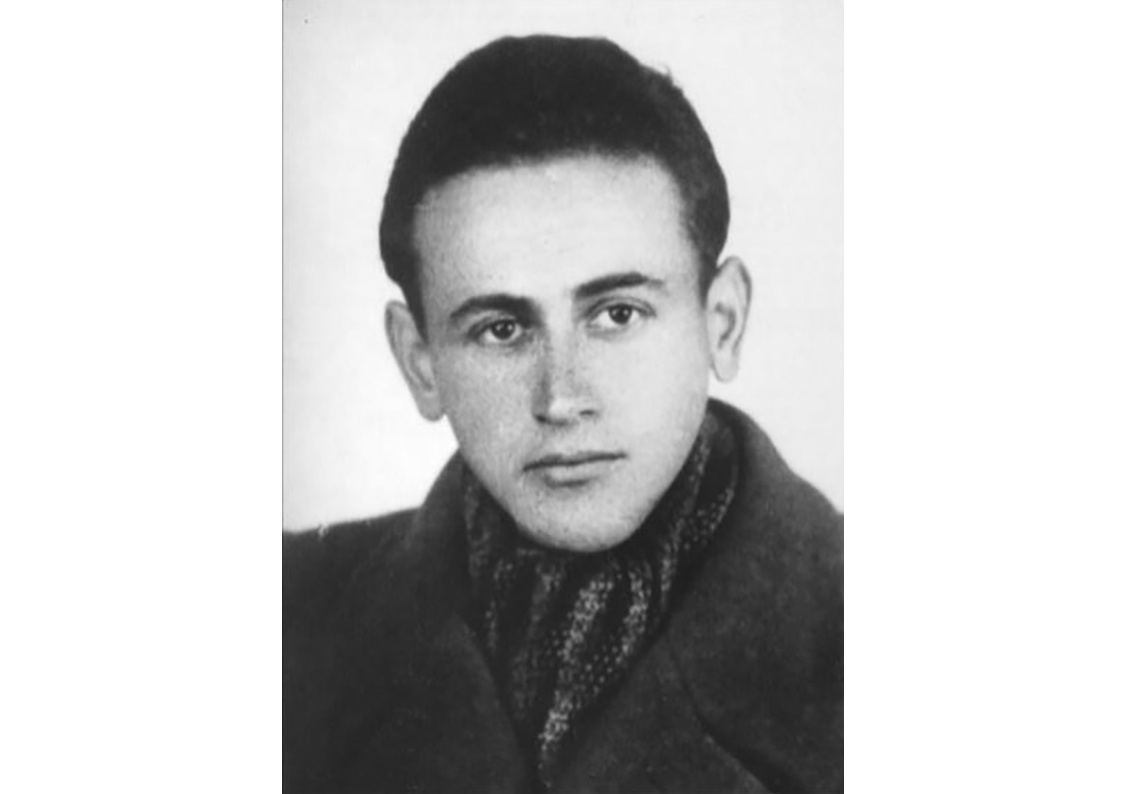
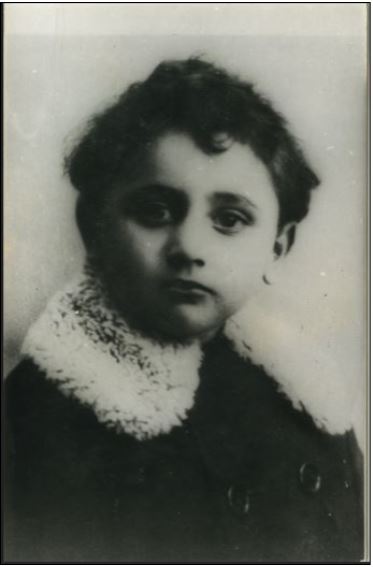
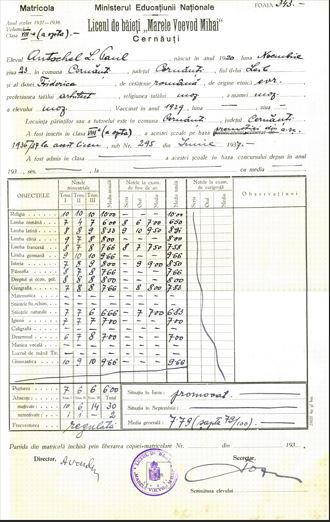
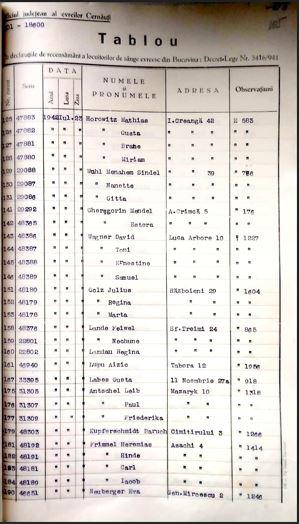
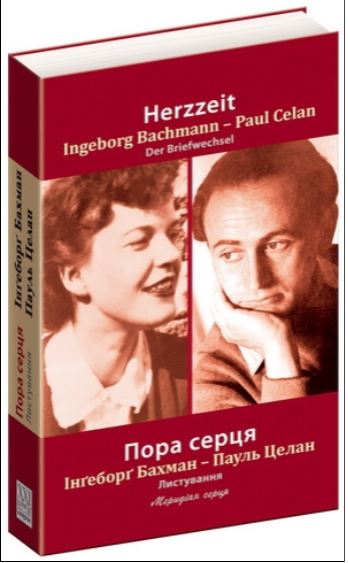
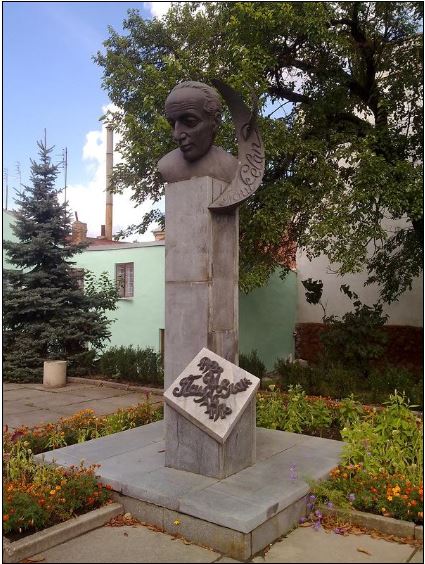
Born in Chernivtsi, which was then part of the Kingdom of Romania, Paul Ancel (real name) came from a poor Jewish family. His father, Leo Ancel, was a timber merchant; his mother, Fritzi, devoted herself to her family. She loved to read and instilled in her son a love of literature. The Ancel family, assimilated Jews, spoke German. Paul received a good education: the Grand Voivode Michael State Lyceum provided all the opportunities for the boy’s brilliant linguistic and literary abilities to be developed. However, at his parents’ insistence, Paul went to Tours (France) in 1938 to study medicine. The young man met the beginning of World War II during a vacation in his native Chernivtsi. Unable to return to Tours, he became a student of the Romance Philology course at Chernivtsi University; simultaneously worked as a translator. The Soviet occupation of the region motivated him to learn another language – Russian. The German-Romanian invasion (July 1941) brought the most painful shock, from which the poet did not recover until the end of his life. The Ancel family ended up in a Jewish ghetto; later his parents were taken to one of the concentration camps in Transnistria, from where they never returned: his father died in the camp from typhus, his mother was shot as unfit for work (“My mother never knew gray hair…” – years later P. Celan, who would blame himself for the death of his parents, would speak with poignant lines). Paul himself ended up in one of the Romanian forced labor camps from the ghetto, where he worked in terrible conditions on the construction and repair of roads. The shock of what he experienced was so strong that even some detail that hinted at the Holocaust, say, yellow, immediately caused him to recoil throughout his life (after all, the occupiers forced Jews to sew yellow six-pointed stars on their clothes). The orphaned poet wrote “Death Fugue” in 1945 – the most significant poetic work in world literature about the Holocaust, which partially answers the question of the German philosopher Theodor Adorno: is poetry possible after Auschwitz? P. Celan gave a brilliant poetic model, presenting the images of the perpetrator of the Holocaust (a blue-eyed Nazi in love with the golden-haired Margarita) and the victims who, before accepting death and burning in the crematorium, are forced to sing and dance... The repeated Sovietization of his native land prompted the poet to secretly cross the border in 1947 and restore his own Romanian citizenship. He wandered through European capitals; first he stopped in Bucharest. Here Paul Ancel changed the syllables of his surname and became Celan. Then he went to Vienna, where he met a dizzying and fatal love – the young Ingeborg Bachmann, a girl from the family of a former member of the Nazi party, as she wrote her doctoral dissertation on the philosophy of Martin Heidegger, who, at least in the 1930s, shared the ideas of anti-Semitism and was also a member of the NSDAP. The differences in origin and worldview were stunning, but attraction won. Ingeborg, largely thanks to Celan, discovered and developed literary talent in herself and later became a famous writer. So, the lifelong romance (feelings were sometimes suppressed, sometimes flared up with new force) became a significant test for both. In Austria, P. Celan published his first collection of poems “Sand from the Urns”. However, in 1948, the poet went to Paris and settled there forever. First, he completed his university course – at the Sorbonne, Paul studied linguistics and German studies. And then a brilliant career as a writer, a decent level of material prosperity, and family life awaited him (in 1952, P. Celan married the French artist Giselle de Lestrange). One after another, poetry collections were published: “Poppy and Memory”, “From Threshold to Threshold”, “Language Lattice”, “Nobody's Rose”, etc. In 1960, P. Celan received the Georg Büchner Prize – the most prestigious literary award of the German Academy of Language and Literature; in 1966 he was nominated for the Nobel Prize, but the poet failed to win it. P. Celan knew eight foreign languages, of course, including French, which he had been using for years in the Parisian environment. But he wrote original poems (not translations) only in German. When asked to try writing in French, the poet replied that only poems written in his native language made sense, otherwise they would turn into blasphemy. Even after the horrors of Nazi terror, P. Celan considered German, the language of his lost parents and his childhood, to be his native language. The burden of the apocalyptic horror he had experienced in his youth did not let go - over the years the pain even intensified. In the 1960s, Paul began to be treated in a psychiatric clinic from time to time. In the first years of his illness, he returned from the hospital home to his wife and son. However, after his husband attempted to kill Giselle, the couple divorced. The exhausted poet was left alone. In the last years of his life, P. Celan visited his hometown several times, looking for contacts with old friends from Bukovina. “My Chernivtsi meridian,” the poet nostalgically recalled his homeland.
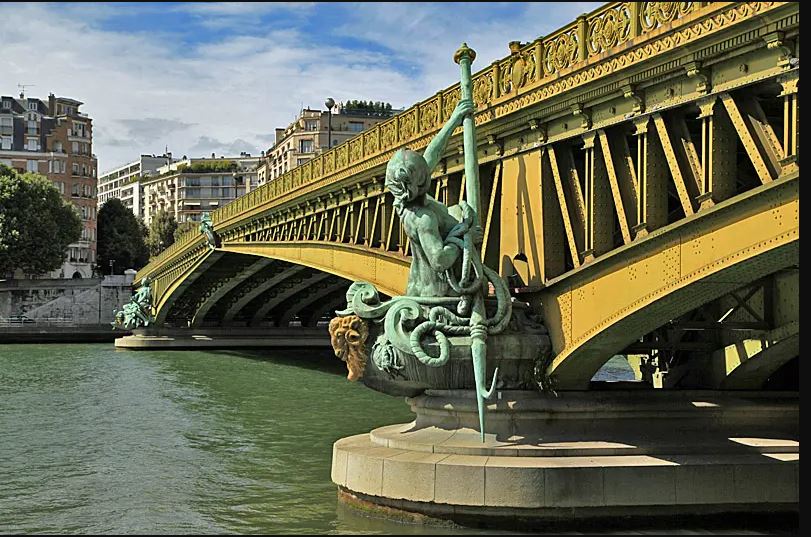
It is likely that the unhealed wound of the Holocaust was the root of the poet's mental disorder and the cause of his premature death. Late in the evening of April 20, 1970, he jumped into the Seine from the Mirabeau Bridge in Paris. The police arrived and a search was immediately launched. Scuba divers managed to retrieve P. Celan's body 10 days later. The poet is buried in the Thiers cemetery in one of the Paris suburbs, not far from Orly Airport.
Olena Ishchenko