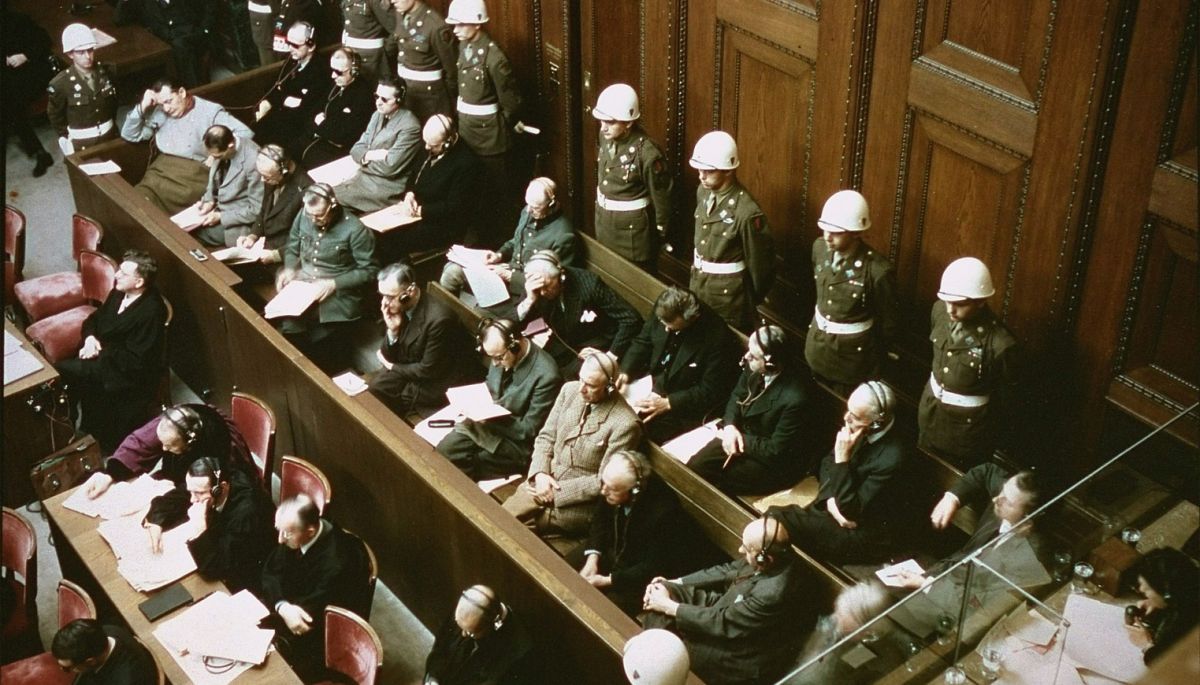
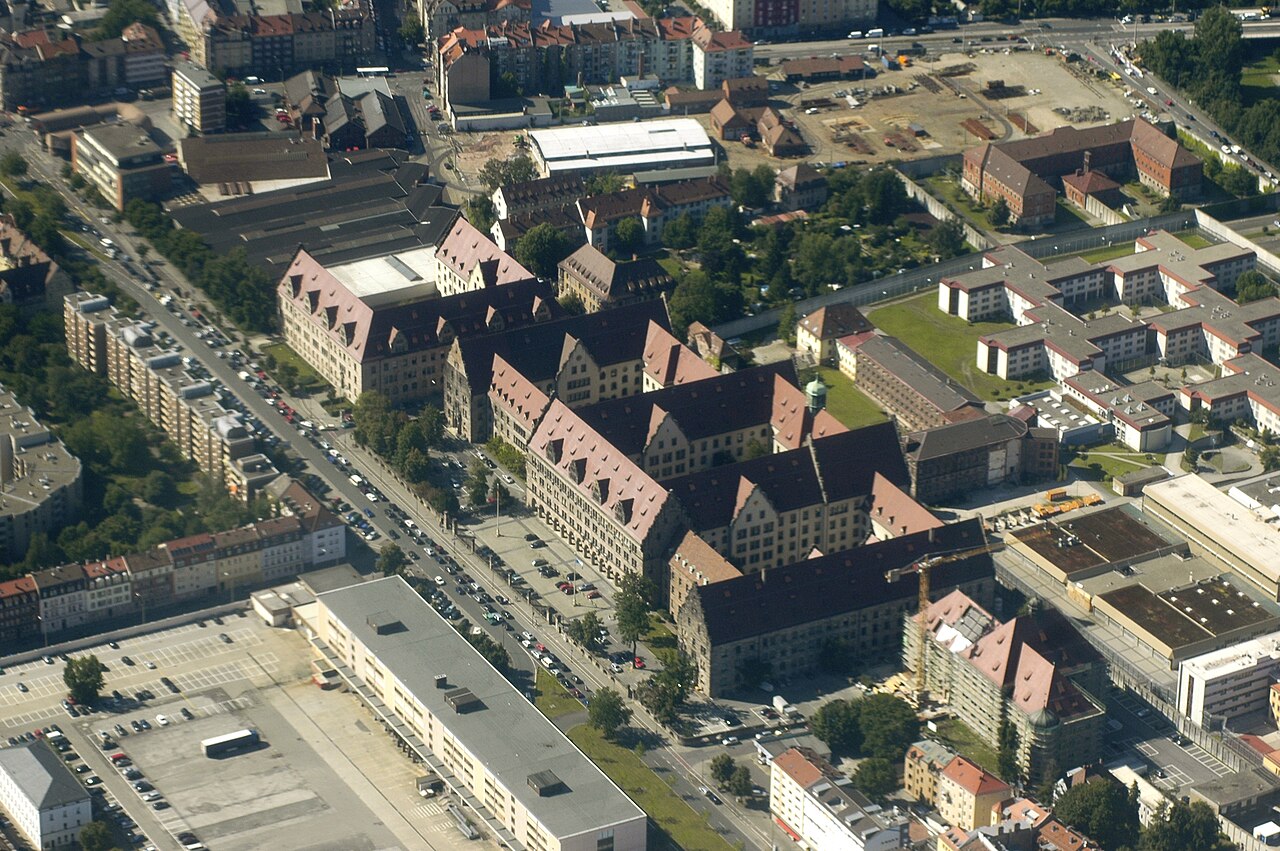
80 years ago, on November 20, 1945, the sessions of the International Military Tribunal in Nuremberg began. On the dock in the local Palace of Justice were 23 defendants[1] – representatives of the political and military leadership of Nazi Germany, accused of unprecedented crimes against humanity. The trial itself, as well as the events surrounding it, are still the subject of scientific research, literary and artistic works. The decisions of the Tribunal not only did not become an absolute moral safeguard but were also used in the future as a field for information manipulation. Nevertheless, interest in events of 80 years ago does not fade. Just two weeks ago, the Ukrainian cinema premiered the feature film “Nuremberg”, starring stars of modern cinema Rami Malek (winner of the 2019 Oscar for Best Actor, the film “Bohemian Rhapsody”), Russell Crowe (“Gladiator” (2001 Oscar for Best Actor), “Mind Games” (2002), etc.), Michael Shannon (film saga “Underground Empire” (2010-2014), etc.). The film is dedicated to the role of Douglas McGlashan Kelly (1912-1958), a US Army intelligence officer and psychiatrist by profession. In the fall of 1945, he was part of a group of psychologists who conducted psychiatric examinations of defendants.
Not wanting to end up in a “Didn’t watch, but concluded” situation, let’s assume that thanks to the skill of the cast and direction by James Vanderbilt (“Zodiac” (2007)), this year’s “Nuremberg” will not be a failure.
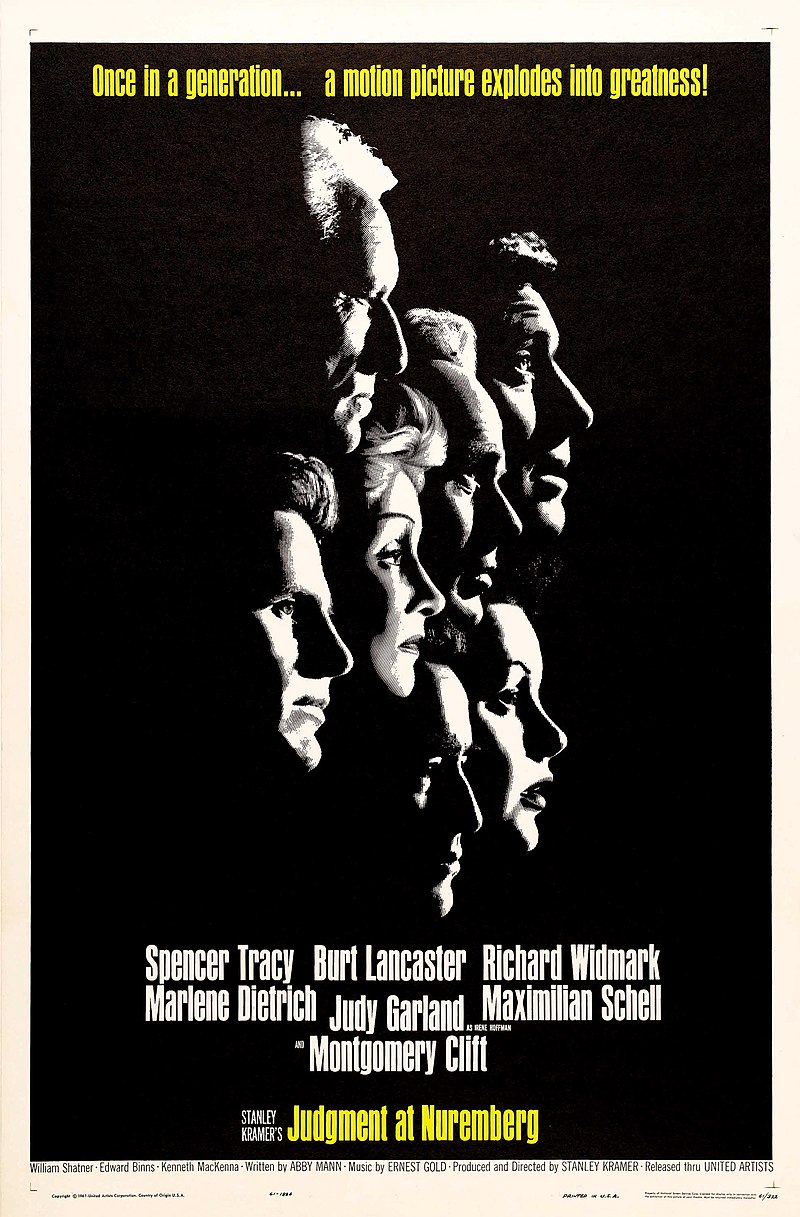
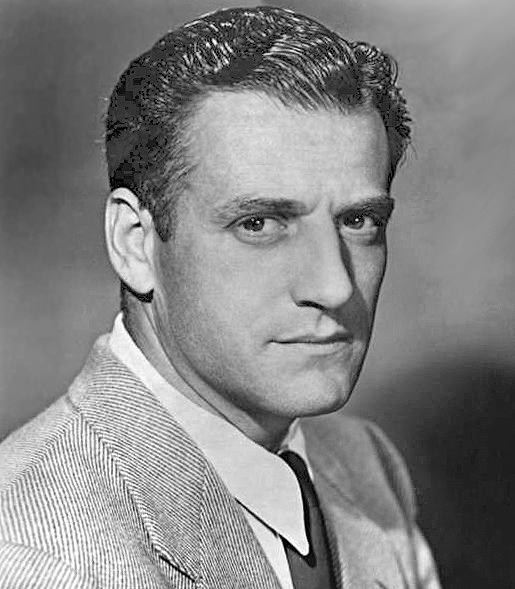
Although, it is certainly difficult to say now whether the film will be on the list of nominees for the most prestigious cinematic awards. It is worth remembering that the artistic interpretation of the theme of Nuremberg justice in cinema had successful precedents. In 1961, the court drama “Judgment at Nuremberg” was released, produced and directed by the famous Hollywood director Stanley Kramer (1913-2001). Avoiding an excursion into his extremely eventful biography, we will note only one fact: 40 films, in the creation of which S. Kramer participated, were nominated for the Oscar 80 times in various categories. Even though the director himself never won an honorary award, 23 actors who starred in his direction received an honorary statuette in their collection.
“The Nuremberg Trials” turned out to be one of the most successful films in the creative legacy of the director and producer, as the film was nominated in 11 Oscar categories and ultimately won 2 awards: “Best Actor” and “Best Screenplay”. Its author – writer Abby Mann (1927-2008) undoubtedly deserves the lion's share of the film's success.
“The Nuremberg Trials” (1961) is dedicated to one of the so-called “small” trials of Nazi criminals that took place in 1946-1949. To this day, they continue to remain in the shadow of the “Great Nuremberg.”
S. Kramer's large-scale (at least in terms of the film's duration, which reached almost 3.5 hours) black-and-white court drama was dedicated to the “trial of judges” – the trial of 16 German lawyers, which took place in the same building as the "Great Nuremberg" in March-December 1947.
The core of the accusations against the representatives of the Nazi justice system during the real trial were the preparation and sanctioning of the Nazi program of “racial purity” through the introduction of racial legislation and participation in the persecution of representatives of "inferior races"; sanctioning crimes committed by others, etc. In general, these same accusations are heard in the cinematic version of the trial. However, this, as well as the fact that justice was administered by the US justice system (and not the International Tribunal), are perhaps one of the few elements of an accurate reproduction of historical reality. In general, one should not count on an absolutely accurate reproduction of the atmosphere of the trial that took place in the Nuremberg Palace of Justice in 1947. If you are a fan of documentary fiction, we advise you not to waste your time. S. Kramer's work is not a classic biographical film, but rather a film inspired by real events. “The Nuremberg Trials” is not about recreating an event, but about raising questions that were relevant to the world of the victors and the vanquished after World War II, and partly remained so twenty years later.
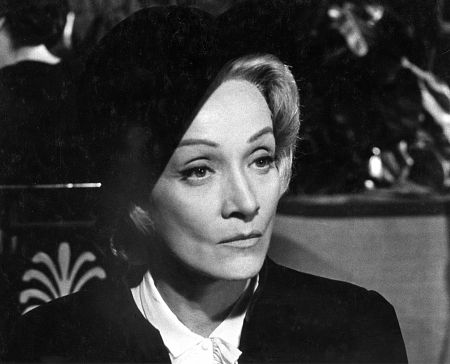
What is primary and more significant: the letter or the spirit of the law? (“A judge does not make laws. He executes them”). Are citizens responsible for the actions of their own state, even if they did not directly participate in them? Can their own ignorance (or unwillingness to be aware) serve as an excuse for their indifference to future evil? One of the heroines of the film, whose role was played by the inimitable Marlene Dietrich (1901-1992), when reminded of the horrors of the Dachau camp[2],
located 1 hour by train from Nuremberg, responds with a stale remark: “We knew nothing about it. And if we did? What could we have done?”
The questions that the film's characters repeatedly ask are addressed not only to German society, but also to American society at the time. The defendants' defense attorney, Hans Rolf (played by German actor Maximilian Schell (1930-2004)), reminds the American court and judges of the shameful practice of forced sterilization, which by 1929 had been legally approved in 24 US states. In these states, sterilization was applied not only to people with physical or mental disabilities, but also specifically to representatives of certain population groups (for example, Native Americans).
While watching the film, one cannot help but recall the context of the period when the premiere of the Nuremberg Trials took place. In the late 1950s and early 1960s, the issue of racial equality was becoming increasingly acute in the United States. In April-December 1961, the trial of Adolf Eichmann (1906-1962), one of the top-level organizers and executors of the plan for the total genocide of the Jews of Europe, was underway in Jerusalem. And this was also the time of one of the peaks of tension in the Cold War, when the post-war division of Berlin literally took on the physical form of the gray concrete of the infamous Berlin Wall.
The latter echoed the events of the late 1940s, when the USSR first used the method of the Berlin blockade in confrontation with its former allies. This plot found its reflection in the film and formulated one of the moral dilemmas for its heroes: is it possible to reconcile and accept Evil in the past, if the future depends on the fact of acceptance? (“We must forget if we want to live on…”). Should we categorically and irrevocably condemn the crimes of Nazism, condemn the indifference of German society to the persecution (including targeted killing) of certain groups of people, or is it more expedient to avoid this to preserve the loyalty of West Germans. And in general, can there be a place for political expediency after watching a newsreel that captured the consequences of the indifference of “ordinary people” that the Allies saw in the spring of 1945, stepping into the territory of German concentration camps.
Like any truly worthwhile work, “The Nuremberg Tribunal” does not talk about the events of the past or what happened to other people. It forces you to ask questions and at the same time reflects on the answers of the viewer himself. It is obvious that in the conditions of the modern war of Russia against Ukraine, for many citizens of our country the trials of World War II seem something distant and almost fantastic. At the same time, re-watching the film, you understand how relevant the dilemmas that were embedded in the lines of its main characters remain, including those about justice in the name of the memory of the victims or silence for the sake of reconciliation. Illusory reconciliation, without a deep awareness of the nature of Evil and one’s own responsibility for its spread, makes it possible to compromise with Evil again and, in the end, makes its repetition inevitable.
Yehor Vradii
[1] On August 29, 1945, a list of Nazi officials to appear before the Tribunal was published. It contained 24 names, including Martin Bormann, head of the NSDAP party office, who was to be tried in absentia.
[2]Dachau was the first concentration camp, established at the end of March 1933, practically immediately after the Nazis came to power in Germany. Later, the camp also served as a kind of training center for the preparation of administrative and executive personnel for other concentration camps in Germany and the occupied territories.