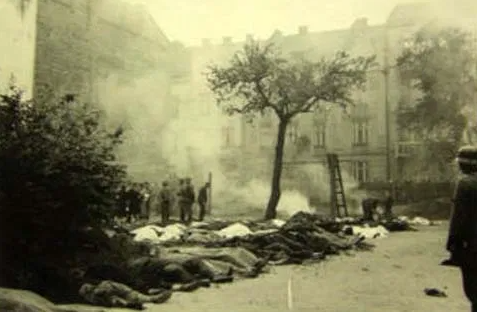
The Lviv ghetto was the largest in the occupied territories of the USSR, the third largest in Europe after the Warsaw and Lodz ghettos. It existed from November 1941 to June 1943.
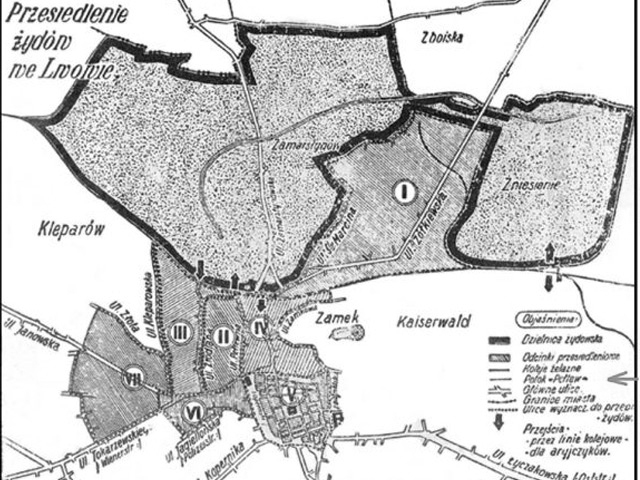
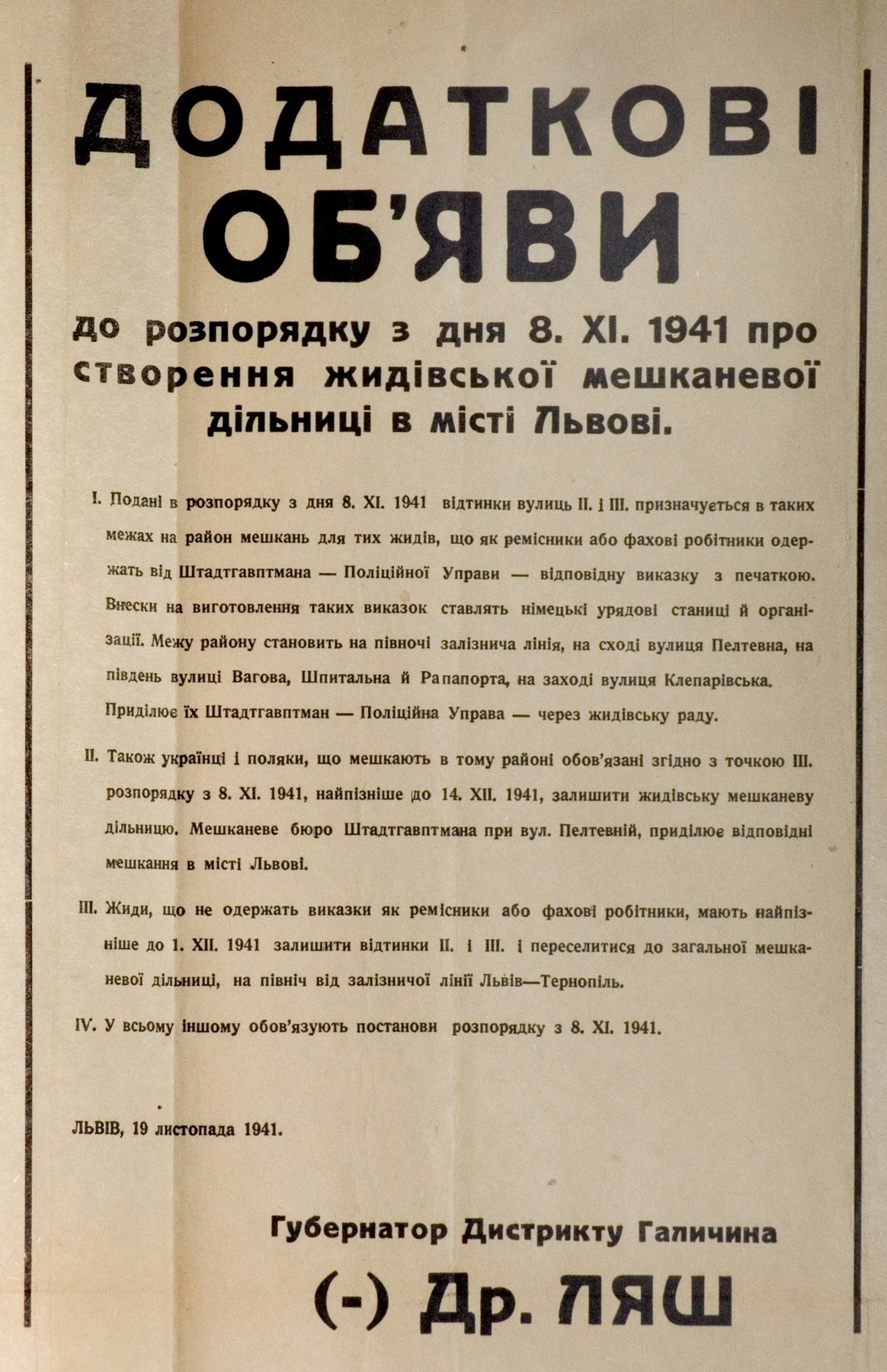
The ghetto was created by order of the SS police major general of the Galicia district, Fritz Katzmann, dated November 6, 1941. The organization of a special Jewish district in Lviv was established by a resolution of the district governor, Hans Frank, dated November 8, 1941. The poorest district of the city was chosen as the location of the ghetto: it occupied the territory of the Zamarstynow and Kleparow sections, separated from the south by a railway embankment, from the east by Zamarstynowska Street, from the west by Warsaw Street, and from the north by the bank of the Poltva River. Ukrainians and Poles who lived in this area had to move to other parts of the city.
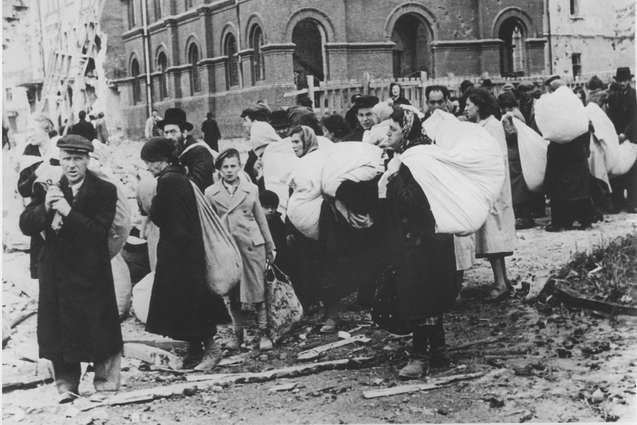
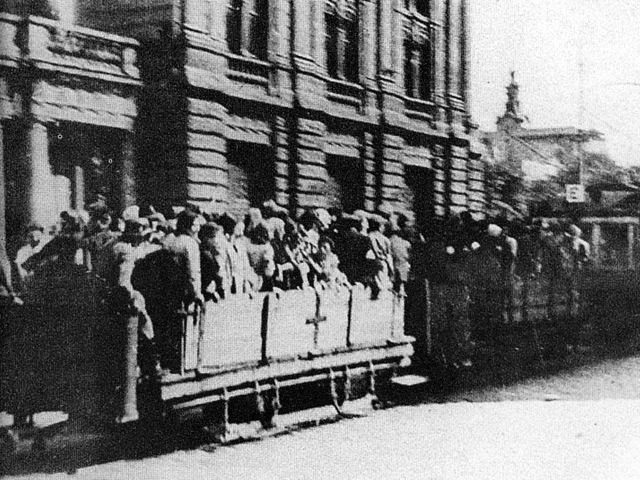
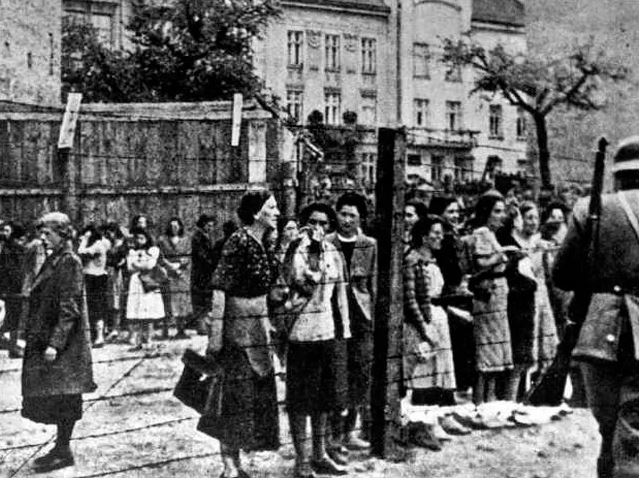
At that time, about 150,000 Jews lived in Lviv, among them 110,000 were natives and 40,000 were refugees from Nazi-occupied Poland. The area designated as the ghetto was the least suitable for living. From November 16 to December 14, 1941, the occupying authorities moved more than 136,000 Jews to the ghetto. Its territory was isolated from the city by a fence and barbed wire. Thus, the Jewish community was separated from the rest of the city.
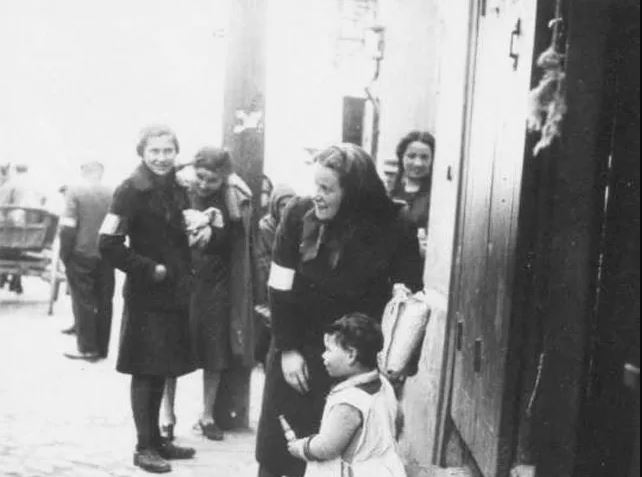
For the prisoners of the ghetto, unbearable living conditions were created: there was a critical shortage of water, food, and housing. Each person was allocated three square meters of space (later limited to two); the corridor and kitchen were counted as living space. So, 24–26 people could live in a two-room apartment. Due to overcrowding and the lack of medical care, epidemics spread. When moving to the ghetto, Jews had to make a list of all the items in their own apartment. The wealthier ones tried to hide money and jewelry, which they then exchanged for food.
The privileged residents of the ghetto were considered specialists in certain fields – engineering, crafts and medicine, workers of enterprises, as well as members of the Judenrat (“Jewish council” – the administrative body of self-government in the ghetto). They were settled in a separate area. They were issued a special certificate for movement within the territory of Lviv.
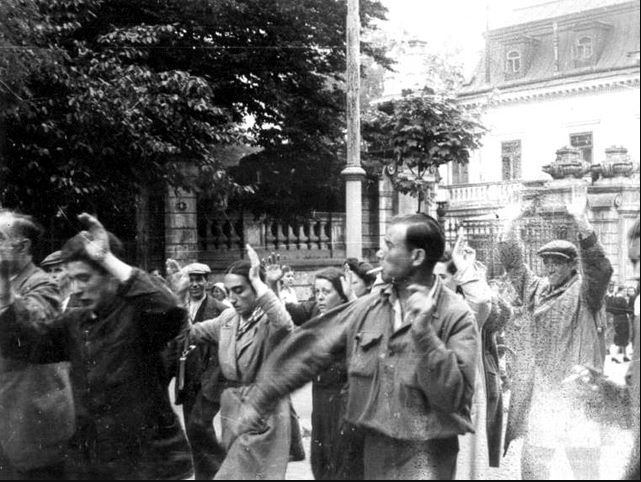
The entire able-bodied population of the ghetto performed labor service in the Janów concentration camp, and those unable to work, the so-called “superfluous”, were systematically destroyed by the Nazis. The “superfluous” – children and the elderly - were the most deprived residents of the ghetto. However, children often helped adults: toddlers could quietly cross to the free side of the city and look for food; teenagers were the liaisons, delivering messages and weapons to the ghetto. Therefore, many families tried to hide the “old and young” behind false walls, in basements and attics of houses. But such measures did not always save from the roundups that the Nazis systematically organized, aiming to destroy the “superfluous”.
Over time, the number of ghetto residents became smaller – everyone, including highly qualified specialists and members of the Judenrat, was considered “superfluous”. Jews were sent to death camps; some were shot on the outskirts of the city. On June 16, 1943, the ghetto was liquidated. After that, the Nazis declared Lviv free of Jews – “Judenfrei”.
In total, during the two years of Nazi occupation, approximately 138,700 Jews were held in the Lviv ghetto. During this period, more than 250,000 people died in the ghetto and the Yaniv concentration camp. According to various sources, about 300 people survived the Holocaust in Lviv. These were the Jews who were able to hide in the basements of destroyed buildings and in the sewer system along the Poltva River.
Dilfuza Hlushchenko