
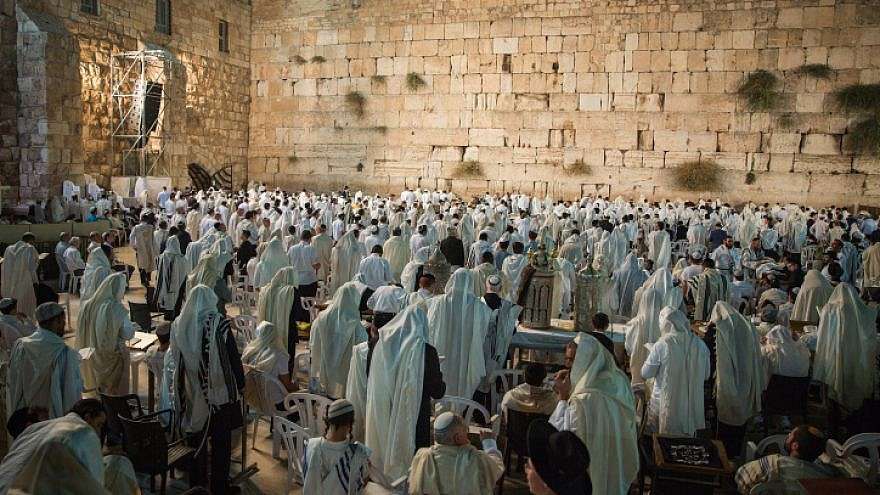
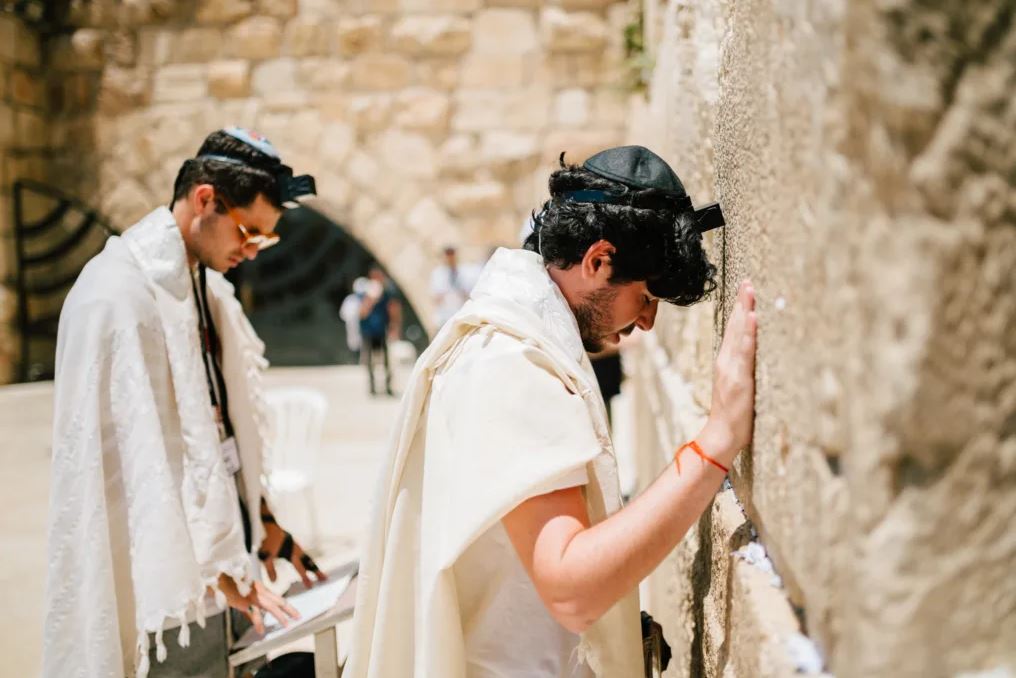
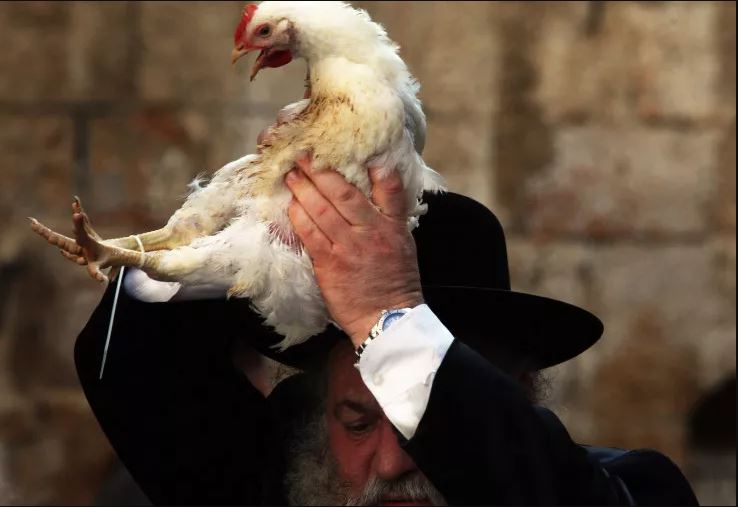
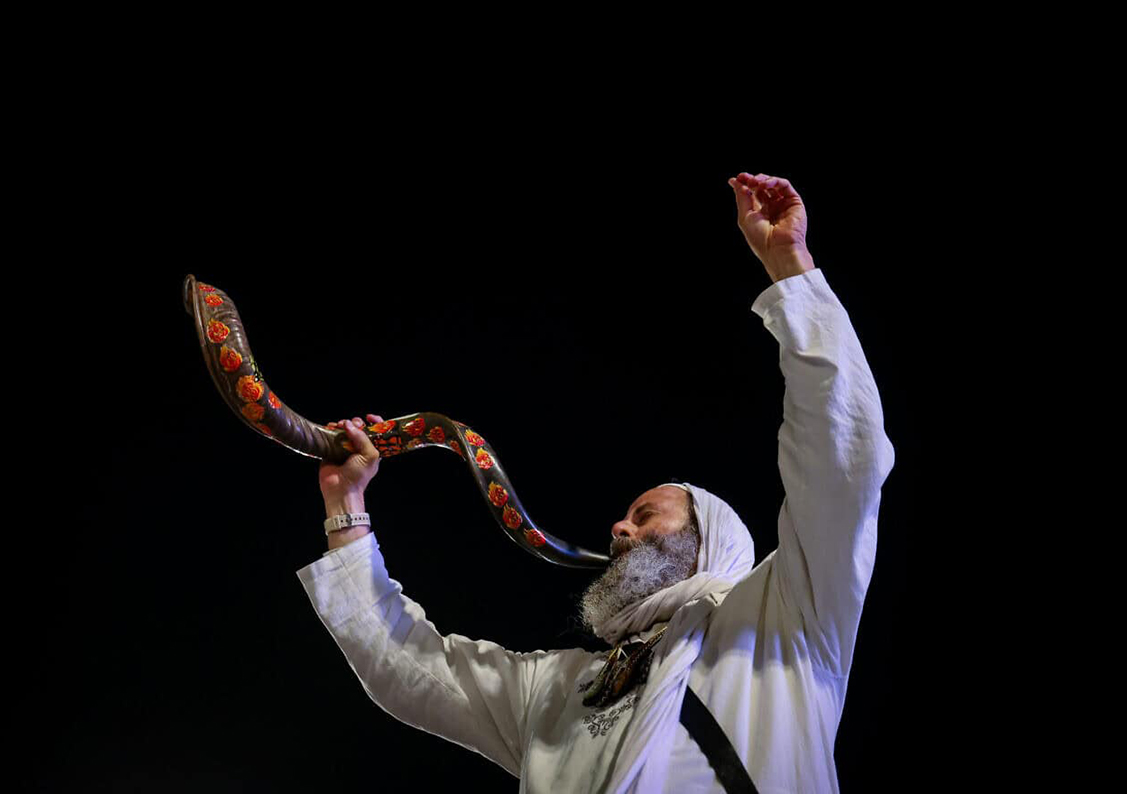
Yom Kippur – the Day of Atonement – is not a holiday in the usual sense, but it is considered the most important day of the year for Jews. This day marks the end of a forty-day period of spiritual purification. The first thirty days of the month of Elul are devoted to introspection and summing up the past year. During the next ten days (from Rosh Hashanah to Yom Kippur) a person undergoes a process of atonement, the result of which is the verdict for the coming year.
Rambam* wrote that prayer and repentance (teshuvah) are always good, but during these ten days they are accepted much more quickly, the doors above are open wider, prayers and words of forgiveness have a quick response, which is why it is customary to do more good deeds, pray, and seek atonement during these days.
Tshuva allows one to receive forgiveness from the Almighty. But Tshuva is not a painful repentance, but a joyful return home, to connect with G-d. At the same time, Rosh Hashanah is the beginning of the purification of the soul, and Yom Kippur is its peak, the moment when the soul returns to its original purity.
It is on Yom Kippur that the connection with the Creator of the universe is revealed in a particularly profound way, and everyone gets a chance to start the new year with a clean slate.
Pavel Polliul
* Rambam – Rabbi Moshe ben Maimon (1135(8) – 1204) – one of the most prominent Jewish philosophers of the Middle Ages.