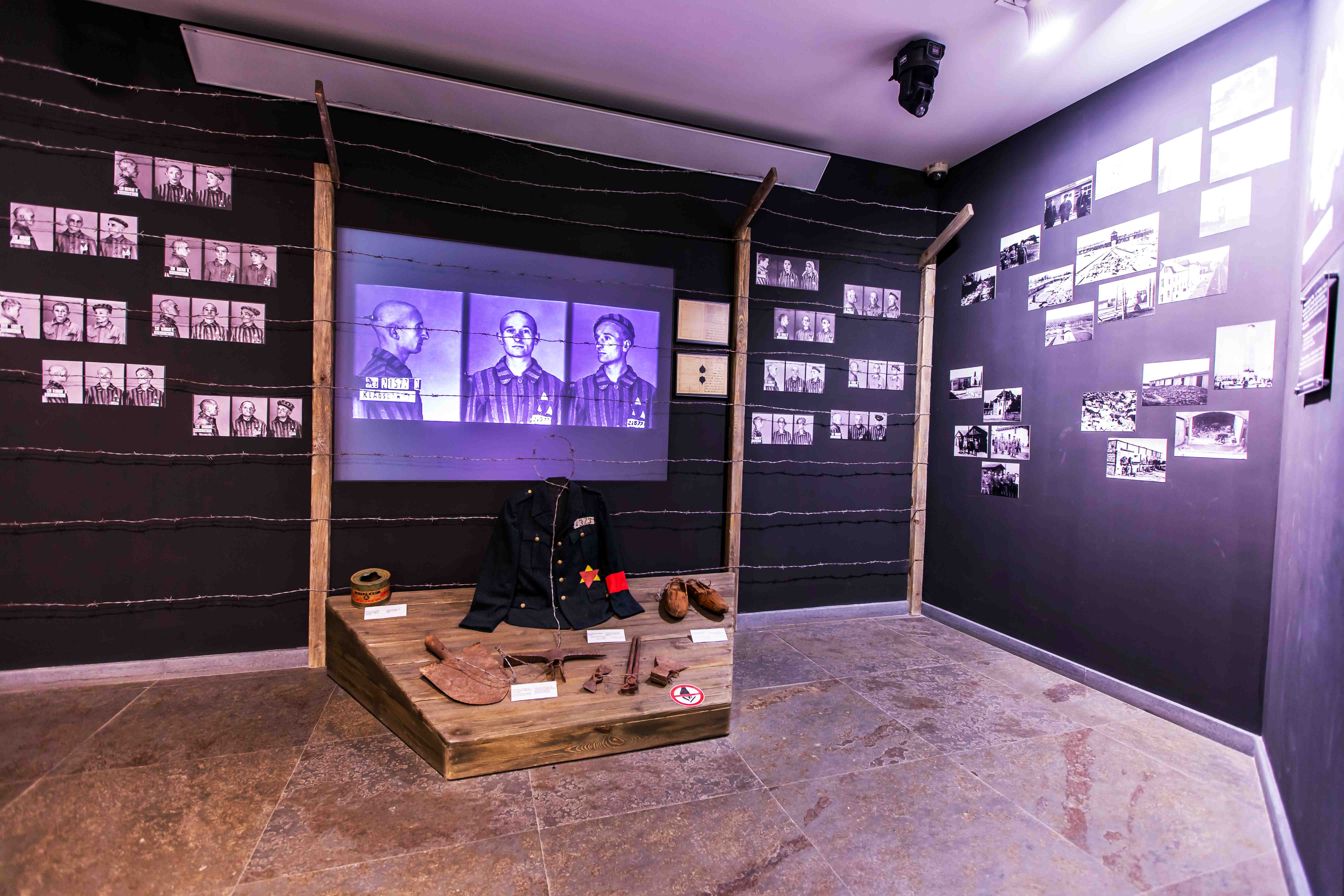
After the Nazi occupation of Poland in 1939, a concentration camp was established on the territory of a military unit near the town of Auschwitz (German: Auschwitz), later called Auschwitz I. In October 1941, by order of H. Himmler to expand the camp, construction of another unit began on the territory of the demolished Polish Brzezinka village (German: Birkenau) - the so-called Auschwitz II Birkenau. It was in the Auschwitz I camp that the SS first tested the substance “Zyklon-B” as a means of mass murder.
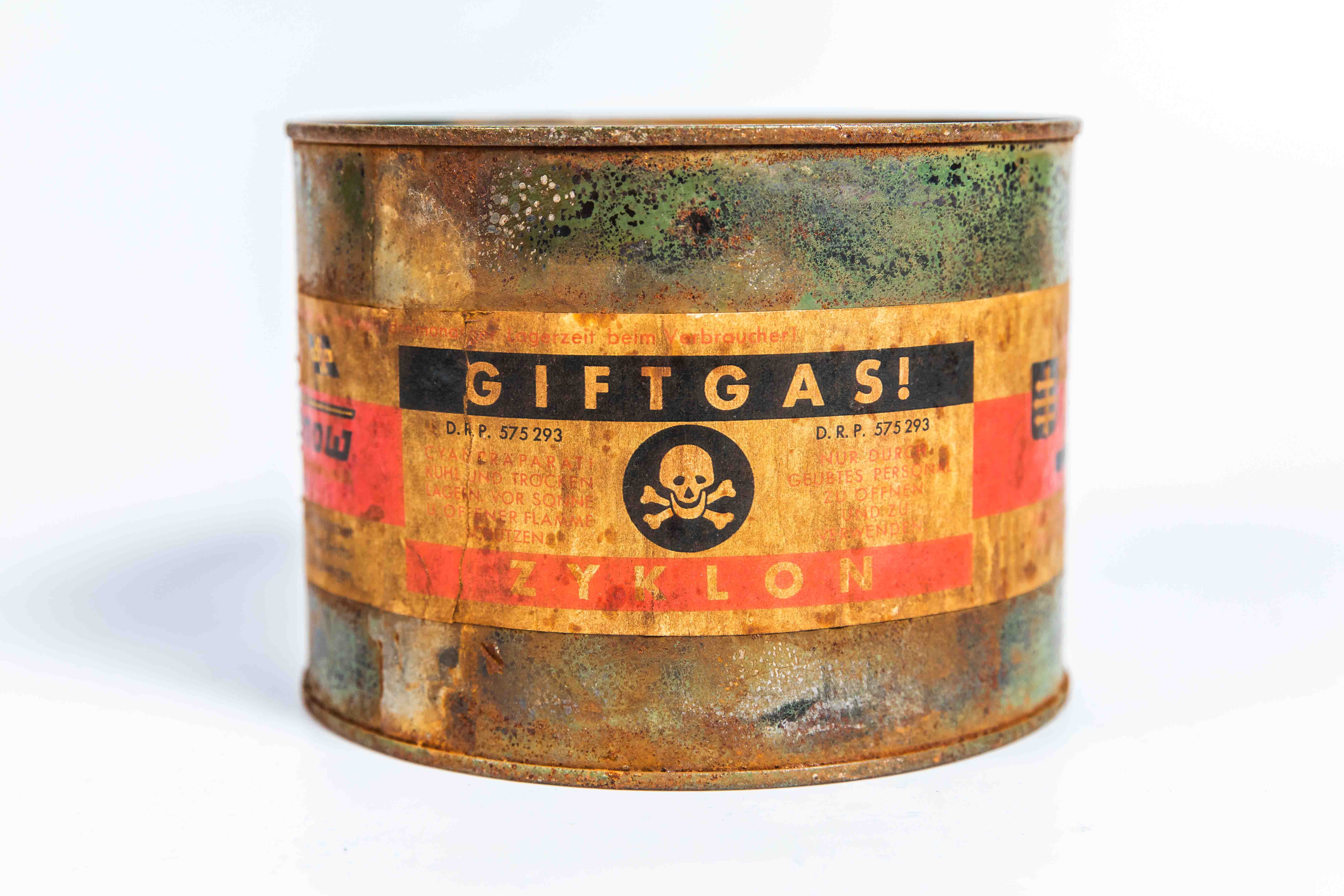
“Zyklon-B” is the trade name of an insecticide (a substance for protecting plants from harmful insects) invented in Germany in the early 1920s. “Zyklon-B” consists of translucent yellowish granules impregnated with hydrocyanic acid. As soon as these granules were in the air, the gas took on its usual form and spread easily in space. The substance was developed by chemists Walter Heerdt, Bruno Tesch and Gerhard Peters from the Kaiser Wilhelm Institute for Physical Chemistry and Electrochemistry in Dahlem. On June 20, 1922, the “German Society for Pest Control” (German: Deutschen Gesellschaft für Schädlingsbekämpfung, abbreviated Degesch) applied for a patent, which was issued on December 27, 1926. The inventor of the substance is listed in the patent as Walter Heerdt. Zyklon-B gas was not a chemical weapon, was not and still is not subject to international bans. In the period after World War I and during World War II, it was the most widely used insecticide in the world. It was also widely used for disinfection of residential premises, including in Nazi concentration camps.
“In June 1941 I received orders to install equipment for the extermination of Jews in Auschwitz. When I was equipped at the extermination house at Auschwitz, I adapted it to use Zyklon-B gas, which was crystalline hydrocyanic acid. Another improvement we made was the construction of gas chambers with a single capacity of 2,000 people, while the ten gas chambers at Treblinka could only exterminate 200 people each at a time.”, – One of the leaders of the Third Reich, Rudolf Goess, testified at the Nuremberg Trials.
On September 3, 1941, at the initiative of the first deputy commandant of the camp, Karl Fritzsch, “Zyklon-B” was tested as a means of mass extermination. The first victims of the terrible experiment were Soviet prisoners of war who arrived in Auschwitz in early September 1941, and 250 sick Poles. All of them were poisoned with “Zyklon-B” in the basement of block No. 11. Later, another 900 Soviet prisoners of war were killed in the same way in the morgue of crematorium No. 1.
From the beginning of 1942, “Zyklon-B” became the preferred means of killing in Nazi death camps. It was used to kill about 1.1 million people in the gas chambers of the Auschwitz-Birkenau, Buchenwald, Dachau, Majdanek, and Mauthausen camps. Most of the victims were Jews, and the vast majority of those killed by this method died in the Auschwitz-Birkenau camp. Of the 729 tons of the substance sold in Germany during 1942–1944, about 56 tons went to concentration camps (approximately 8% of domestic sales). After the end of World War II in 1945, Bruno Tesch was found guilty of knowingly providing “Zyklon-B” for use on humans and was executed. Gerhard Peters was also convicted, but due to changes to the criminal code, he was released after 2.8 years in prison.
According to Rudolf Goess, the commandant of the Auschwitz-Birkenau camp, about 5–7 kg of gas was needed to kill 1,500 people. According to documents, about 20,000 kg of Zyklon-B granules were delivered to Auschwitz in 1942–1943. After the camp was liberated, among other things, a warehouse of empty “Zyklon-B” cans that had not been removed was found in it. The contents of one such can be enough to kill 500 people.
Despite the tragic consequences of its misuse during World War II, “Zyklon-B” continued to be produced and used as an insecticide under a different name until almost 2015.
Daria Yesina