
Today we honor the memory of the children of Ukraine who died from the hands, bullets, exploded missiles and bombs of the enemy. Unfortunately, during armed conflicts we cannot protect the younger generation one hundred percent. According to UNICEF, more than a billion girls and boys in the world live in countries or territories affected by armed conflicts; about 300 million of these children are not yet five years old. In 1982, the UN General Assembly decided to establish June 4 as the International Day of Innocent Children – Victims of Aggression.
The children of Ukraine know what military aggression is. And not from historical sources or films. Our children see with their own eyes the horrors of war, its consequences, and these black shadows are imprinted in the memory of the younger generation forever.
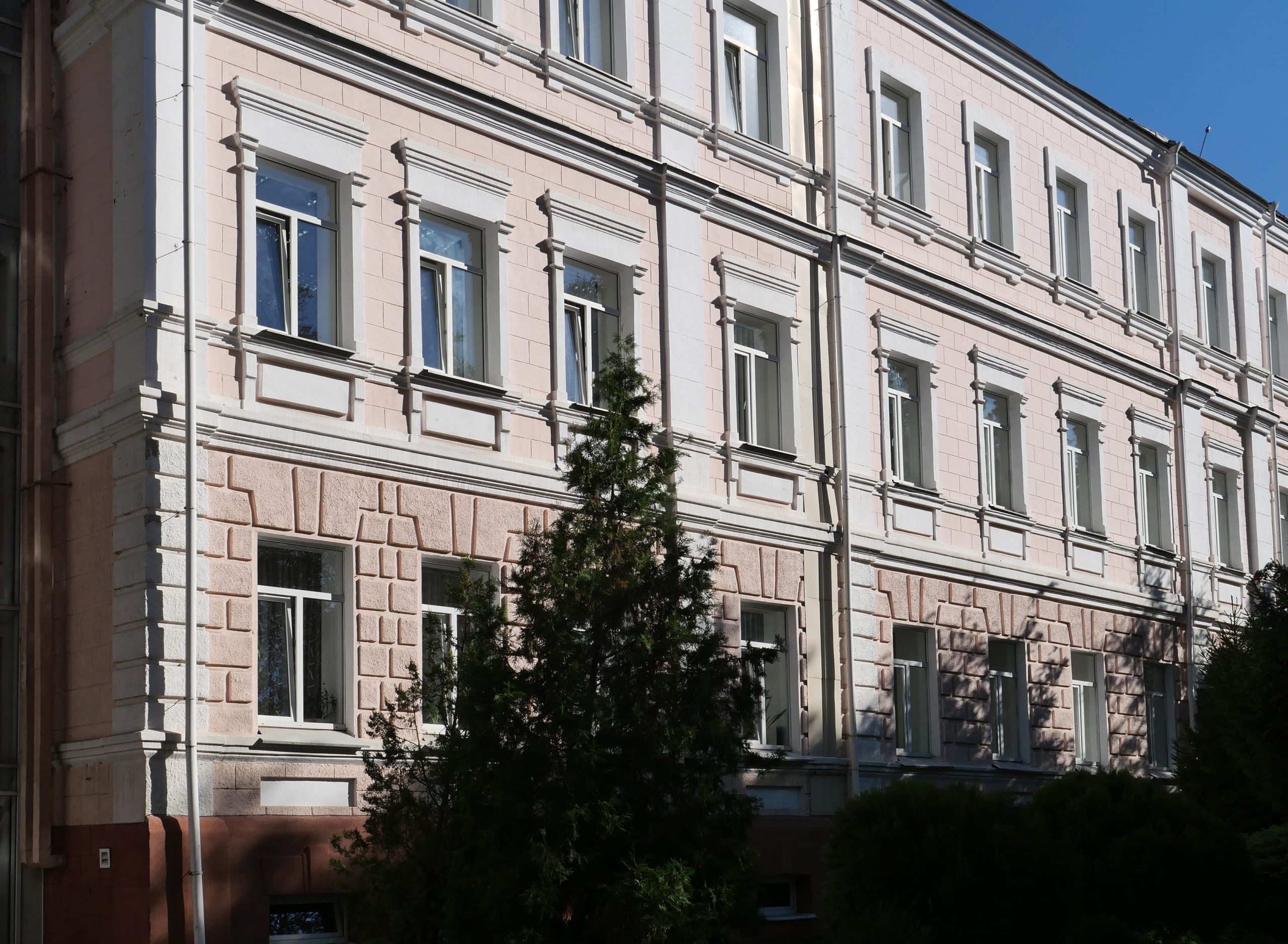
Unfortunately, history repeats itself. There is a house in Dnipro that is a witness to the fate of children in the 20th century. This is a house on Filosofskaya Street, 29. This street was the “Jewish” street of the city. There were several synagogues, a Talmud-Torah branch, an orphanage, and a Jewish hospital here.
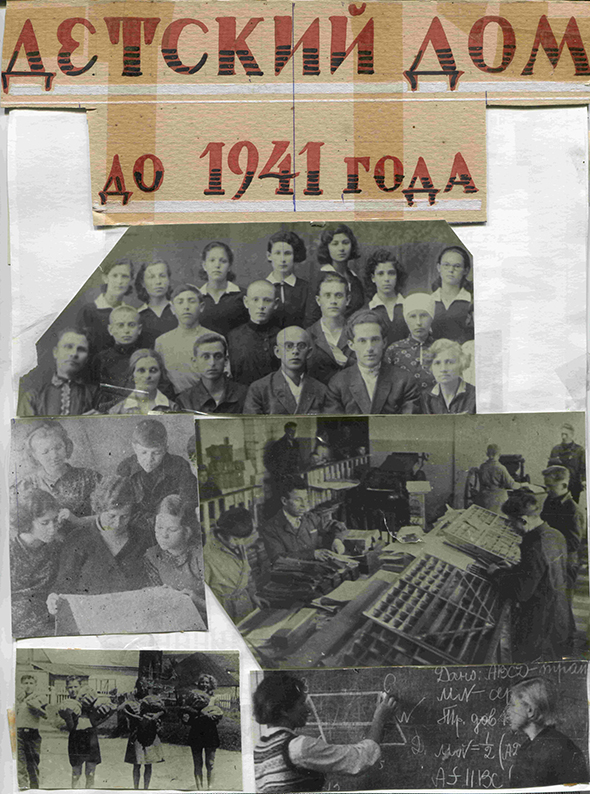
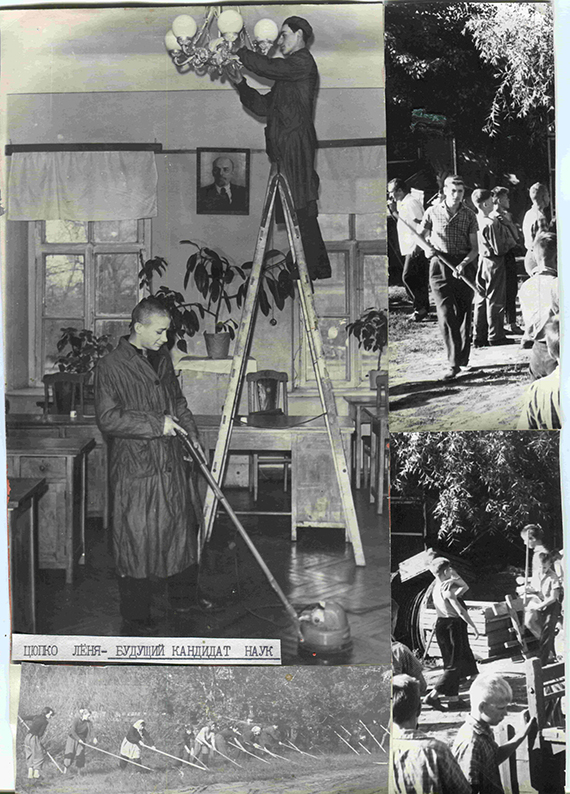
The Museum's holdings contain an 11-volume “Historical and Pedagogical Chronicle of Life in Orphanage No. 4.” It was created in 2000 by an initiative group of former inmates – Bondar T. O. (who gave us the materials), Zelensky S. V., Pashkovskaya V. P. The archive consists of memories of inmates and the teaching staff, photographs, and some documents. It is thanks to the “chronicle” that we can trace the fate of this orphanage.
In the 1900s, a plot of land at Filosofskaya Street, 29, was purchased by Moisey Karpas, a merchant of the first guild. Almost immediately after purchasing the plot, he began large-scale construction on it. The large two-and-a-half-story building was initially built as a gift to the Jewish community of Katerynoslav. But already in 1909, an orphanage (with its own primary school) of the Katerynoslav Jewish Charitable Society was opened in it. This house had from 50 to 100 pupils and was maintained at the expense of charitable society and private donations. In the calendar book “All of Katerynoslav” for 1916 we read: “School of the Jewish orphanage Filosofskaya Street 31. Headed by Ostrovsky Z. S.”.
The Jewish orphanage survived several pogroms and was finally closed by the Soviet authorities in 1919. However, in the early 1920s, its activities were fully restored with the name “Ring National Jewish Orphanage No. 7”. In 1930, it was reorganized into Orphanage No. 4, but it retained its national character. From the memoirs of a ward of the orphanage, Serhiy Zelensky: “I ended up in the orphanage in March 1935. At that time, it was unofficially and still called “Jewish”. It’s just that human memory has preserved its original name. There were 100-105 people in total. The majority were Jews, and the rest were Ukrainians and Russians. It was one family, and we had no other concept. Some Jews studied at Jewish school No. 16; other children studied at a Ukrainian (mostly) or Russian school. They chose independently. Most of the employees were Jewish by nationality.”
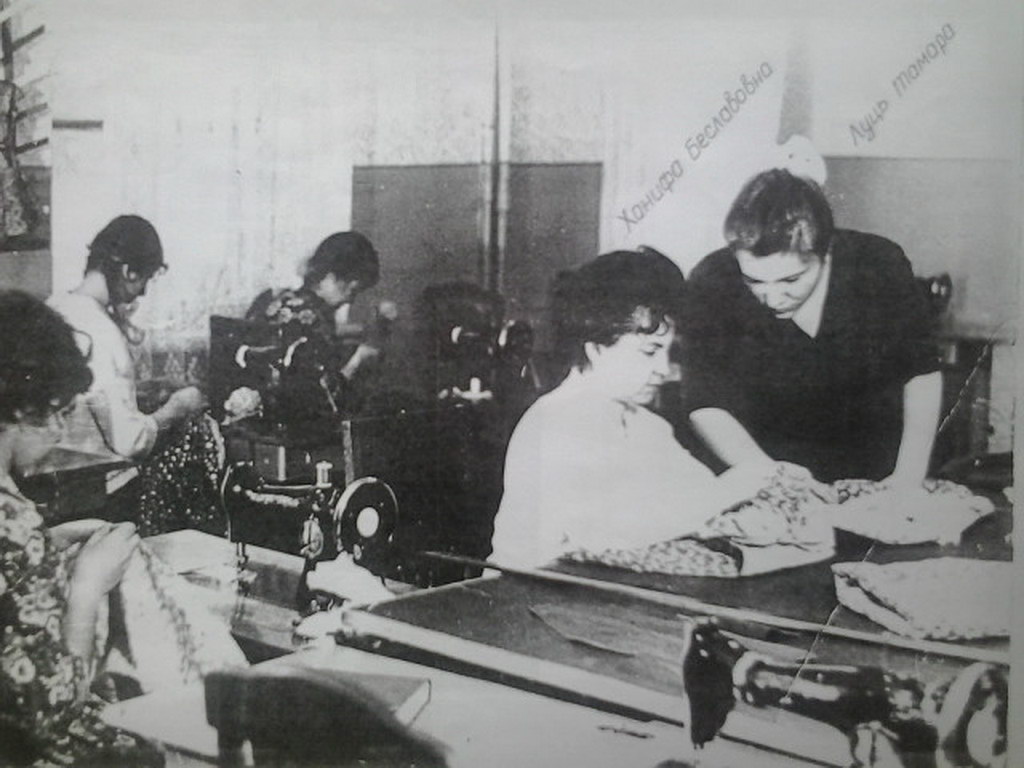
From 1930 to 1968, the director of the orphanage was Hryhorii Minaevich Levin. Despite the lack of funding, evacuation, and outright dislike of the city authorities, he was able to turn his orphanage into the best orphanage in the Ukrainian SSR and one of the best in the USSR. He managed to achieve significant investment in building renovations. In the 1930s, a third floor was added to the main building, a club was created, and its own seven-year school was equipped. The director was adored by both the staff and the pupils. In many of Hryhorii Minaevich’s memoirs and letters, they call him “father,” and other pupils “family,” “brothers and sisters.” From the memoirs of sewing instructor Baranova Hanifa Beslanivna: “Birthdays and holidays were celebrated with pies, cakes, and gifts… This can only happen in one’s own home.”
The pre-war budget of the orphanage could be envied by some districts – in 1939 it amounted to 500 thousand rubles. However, for the most part, the orphanage earned this money independently. G. M. Levin achieved the construction of a locksmith, sewing workshops, and a printing house, in which the children could not only learn working professions, but also fulfill orders from local artels. From the memoirs of the sewing instructor Baranova Hanifa Beslanivna: “Hryhorii Minaevich took great care to ensure that there was something to teach the children, so that the girls developed an artistic taste, a desire to master sewing...”. The children were paid a salary for their work in the workshops. Therefore, after leaving the orphanage, they received good funds for their further independent life.
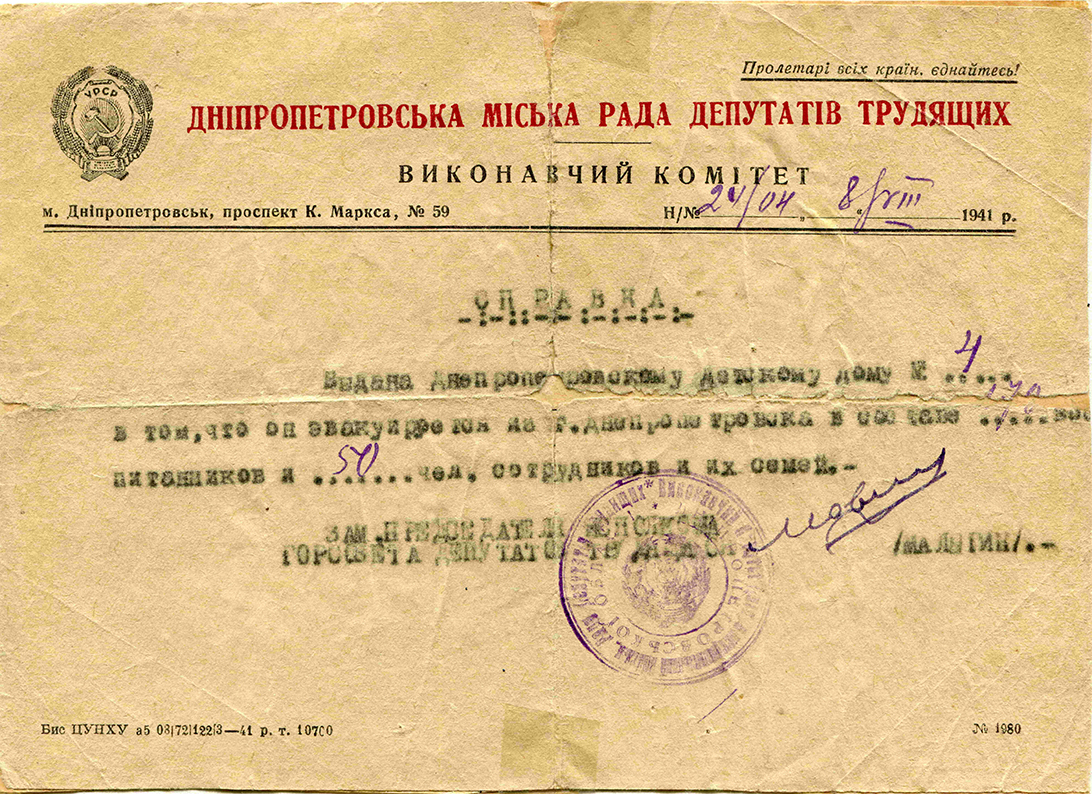
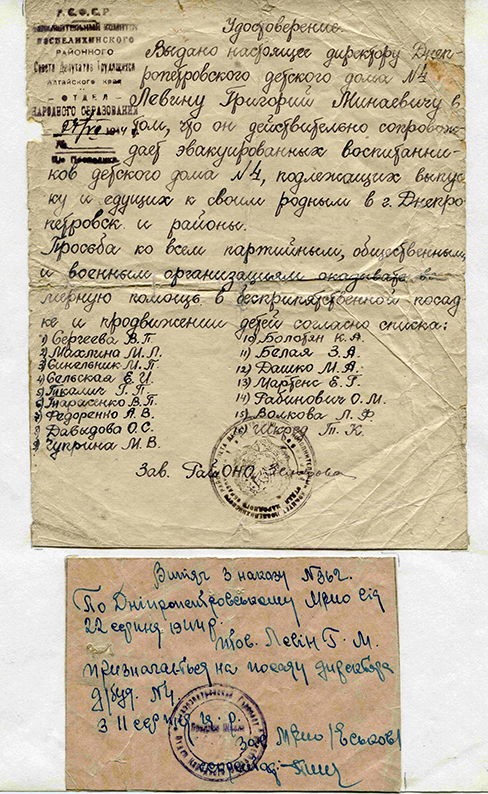
During World War II, orphanage No. 4 was evacuated twice – in 1941 to the Ordzhonikidze region (now the Stavropol region of the Russian Federation), and in 1942 to the Altai region. In 1944, when the orphanage returned from evacuation, its buildings were completely looted. Everything had to start anew. By 1946, the orphanage had been completely restored.
In the 1960s, the party recognized that the country no longer needed orphanages. Dnipropetrovsk orphanage No. 4 was one of the last to be closed – in 1968. Neither the appeals of the director – the unchanged Hryhorii Minaevich Levin, nor the complaints of the staff helped… A special comprehensive boarding school for children with hearing impairments was opened in the empty buildings.
Today, the bloody war against Ukraine has devastated the lives of Ukrainian children and led to one of the most rapid and large-scale displacements since World War II. The consequences of Russian aggression in Ukraine will be remembered by the whole world for centuries. We will never forgive the deaths of innocent children who were supposed to be the future of our state. Today, honoring the memory of the fallen children, we remember the unspeakable pain and suffering that were inflicted on children and their families because of ruthless aggression.
Daria Yesina
Today we honor the memory of the children of Ukraine who died from the hands, bullets, exploded missiles and bombs of the enemy. Unfortunately, during armed conflicts we cannot protect the younger generation one hundred percent. According to UNICEF, more than a billion girls and boys in the world live in countries or territories affected by armed conflicts; about 300 million of these children are not yet five years old. In 1982, the UN General Assembly decided to establish June 4 as the International Day of Innocent Children – Victims of Aggression.
The children of Ukraine know what military aggression is. And not from historical sources or films. Our children see with their own eyes the horrors of war, its consequences, and these black shadows are imprinted in the memory of the younger generation forever.
Unfortunately, history repeats itself. There is a house in Dnipro that is a witness to the fate of children in the 20th century. This is a house on Filosofskaya Street, 29. This street was the “Jewish” street of the city. There were several synagogues, a Talmud-Torah branch, an orphanage, and a Jewish hospital here.
The Museum's holdings contain an 11-volume “Historical and Pedagogical Chronicle of Life in Orphanage No. 4.” It was created in 2000 by an initiative group of former inmates – Bondar T. O. (who gave us the materials), Zelensky S. V., Pashkovskaya V. P. The archive consists of memories of inmates and the teaching staff, photographs, and some documents. It is thanks to the “chronicle” that we can trace the fate of this orphanage.
In the 1900s, a plot of land at Filosofskaya Street, 29, was purchased by Moisey Karpas, a merchant of the first guild. Almost immediately after purchasing the plot, he began large-scale construction on it. The large two-and-a-half-story building was initially built as a gift to the Jewish community of Katerynoslav. But already in 1909, an orphanage (with its own primary school) of the Katerynoslav Jewish Charitable Society was opened in it. This house had from 50 to 100 pupils and was maintained at the expense of charitable society and private donations. In the calendar book “All of Katerynoslav” for 1916 we read: “School of the Jewish orphanage Filosofskaya Street 31. Headed by Ostrovsky Z. S.”.
The Jewish orphanage survived several pogroms and was finally closed by the Soviet authorities in 1919. However, in the early 1920s, its activities were fully restored with the name “Ring National Jewish Orphanage No. 7”. In 1930, it was reorganized into Orphanage No. 4, but it retained its national character. From the memoirs of a ward of the orphanage, Serhiy Zelensky: “I ended up in the orphanage in March 1935. At that time, it was unofficially and still called “Jewish”. It’s just that human memory has preserved its original name. There were 100-105 people in total. The majority were Jews, and the rest were Ukrainians and Russians. It was one family, and we had no other concept. Some Jews studied at Jewish school No. 16; other children studied at a Ukrainian (mostly) or Russian school. They chose independently. Most of the employees were Jewish by nationality.”
From 1930 to 1968, the director of the orphanage was Hryhorii Minaevich Levin. Despite the lack of funding, evacuation, and outright dislike of the city authorities, he was able to turn his orphanage into the best orphanage in the Ukrainian SSR and one of the best in the USSR. He managed to achieve significant investment in building renovations. In the 1930s, a third floor was added to the main building, a club was created, and its own seven-year school was equipped. The director was adored by both the staff and the pupils. In many of Hryhorii Minaevich’s memoirs and letters, they call him “father,” and other pupils “family,” “brothers and sisters.” From the memoirs of sewing instructor Baranova Hanifa Beslanivna: “Birthdays and holidays were celebrated with pies, cakes, and gifts… This can only happen in one’s own home.”
The pre-war budget of the orphanage could be envied by some districts – in 1939 it amounted to 500 thousand rubles. However, for the most part, the orphanage earned this money independently. G. M. Levin achieved the construction of a locksmith, sewing workshops, and a printing house, in which the children could not only learn working professions, but also fulfill orders from local artels. From the memoirs of the sewing instructor Baranova Hanifa Beslanivna: “Hryhorii Minaevich took great care to ensure that there was something to teach the children, so that the girls developed an artistic taste, a desire to master sewing...”. The children were paid a salary for their work in the workshops. Therefore, after leaving the orphanage, they received good funds for their further independent life.
During World War II, orphanage No. 4 was evacuated twice – in 1941 to the Ordzhonikidze region (now the Stavropol region of the Russian Federation), and in 1942 to the Altai region. In 1944, when the orphanage returned from evacuation, its buildings were completely looted. Everything had to start anew. By 1946, the orphanage had been completely restored.
In the 1960s, the party recognized that the country no longer needed orphanages. Dnipropetrovsk orphanage No. 4 was one of the last to be closed – in 1968. Neither the appeals of the director – the unchanged Hryhorii Minaevich Levin, nor the complaints of the staff helped… A special comprehensive boarding school for children with hearing impairments was opened in the empty buildings.
Today, the bloody war against Ukraine has devastated the lives of Ukrainian children and led to one of the most rapid and large-scale displacements since World War II. The consequences of Russian aggression in Ukraine will be remembered by the whole world for centuries. We will never forgive the deaths of innocent children who were supposed to be the future of our state. Today, honoring the memory of the fallen children, we remember the unspeakable pain and suffering that were inflicted on children and their families because of ruthless aggression.
Daria Yesina