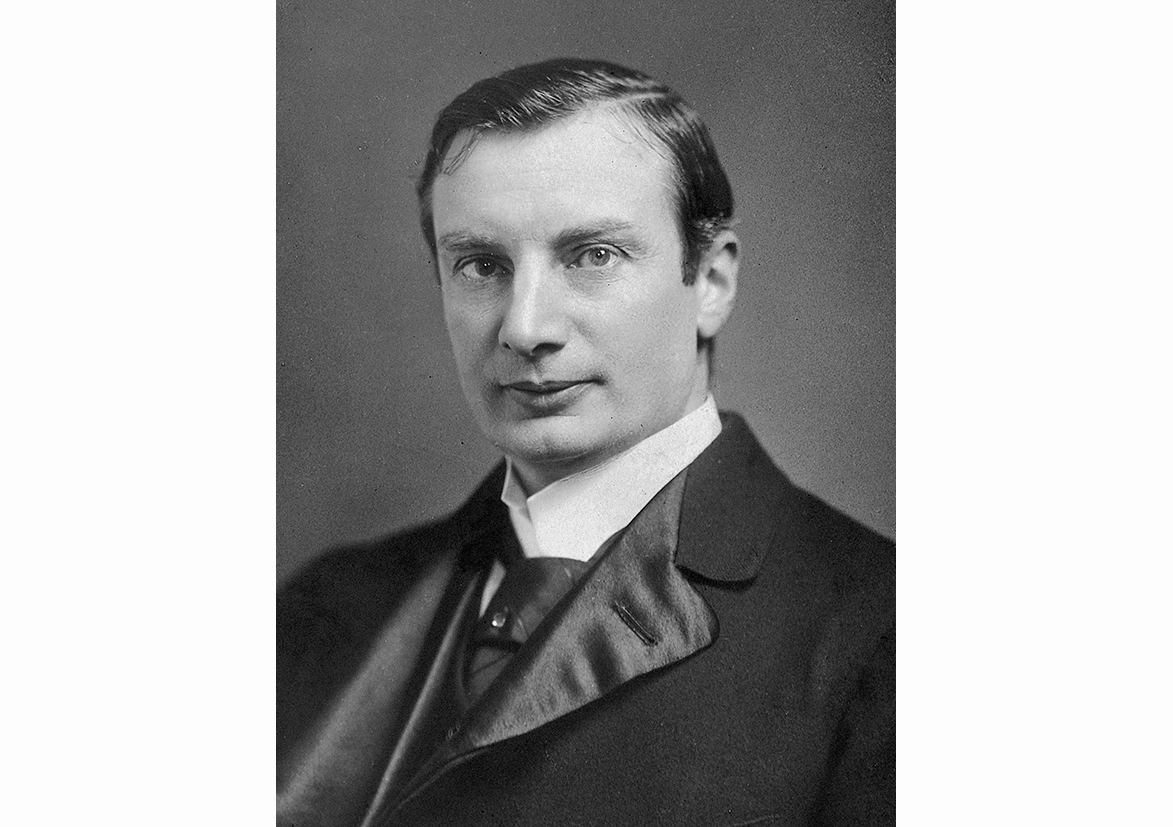
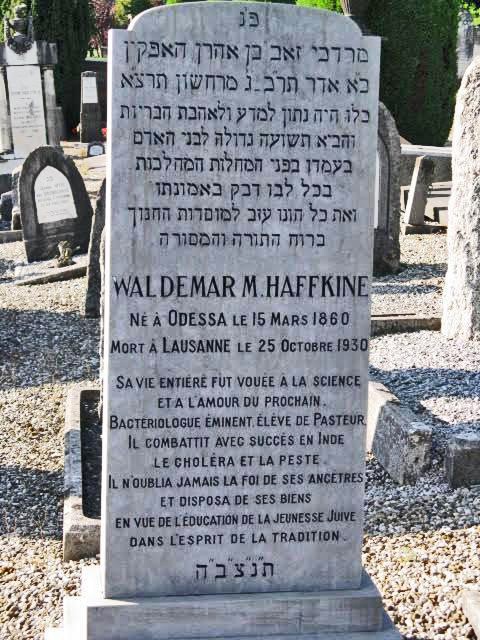
Volodymyr Khavkin (real name Waldemar Mordechai Wolf Khavkin) is an outstanding bacteriologist of Jewish origin. Inventor of the first vaccines against cholera and plague. Born on March 15, 1860, in Odessa in the family of Aron Khavkin, a teacher at the State Jewish School, and Rosalia Landsberg, the daughter of a Hebrew teacher. Shortly after Volodymyr's birth, due to financial difficulties, the family moved to Berdyansk. There, the future scientist studied at a heder, later graduated from a Russian gymnasium. During his years of study, he showed brilliant abilities, especially in the field of natural sciences. The young man dreamed of entering a university, but his parents lacked the funds to pay for his studies. His older brother helped him realize his cherished dream, and Volodymyr began studying at Novorossiysk University (Odessa), where his teacher was the famous scientist Ilya Mechnikov. During his student years, he took an active part in political life: he spoke out against Jewish pogroms; he was an activist of the “People's Will” group. As a result, he was expelled from the university twice and repeatedly arrested. Despite everything, in 1884, Volodymyr Khavkin graduated from university.
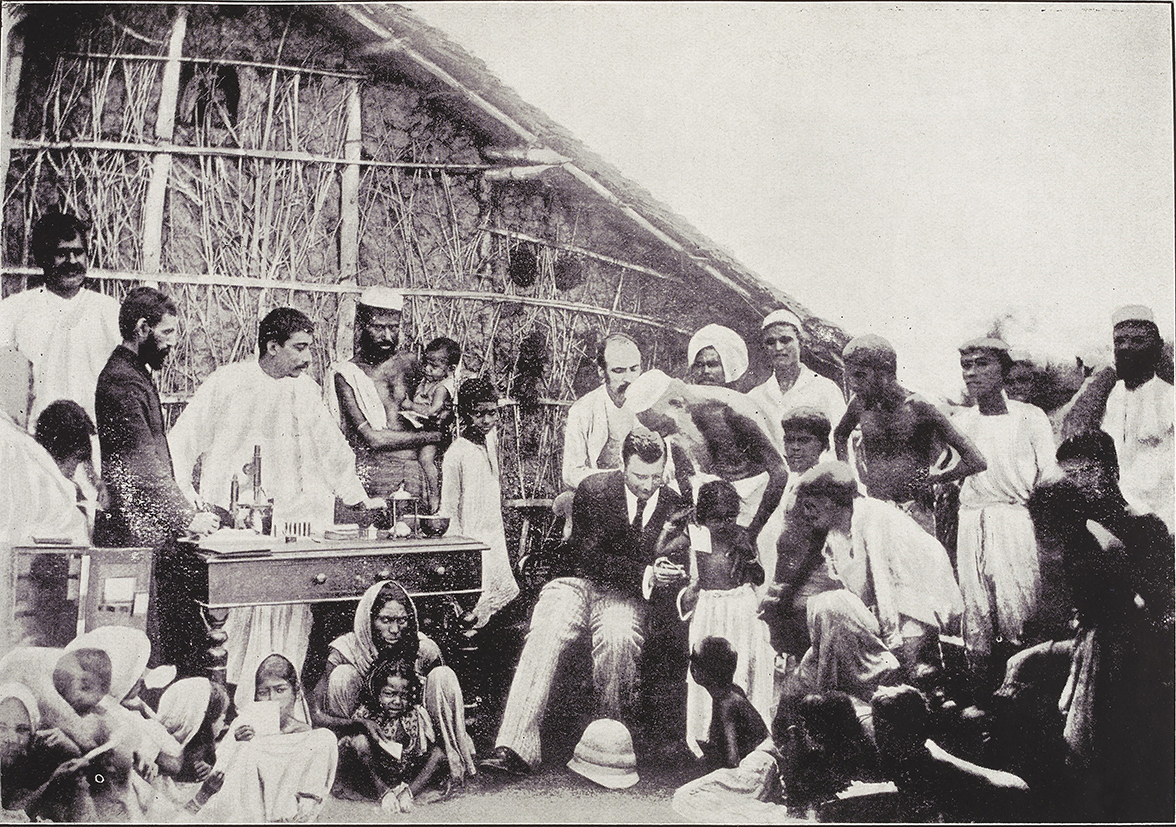
Because of his Jewish origin, Volodymyr did not have the opportunity to engage in scientific research in the Russian Empire. Therefore, the young scientist moved to Switzerland, where I. Mechnikov was already working. In 1888, Khavkin was appointed to the position of Privatdozent at the University of Lausanne. In 1889, on the recommendation of I. Mechnikov, he began working at the Pasteur Institute in Paris. At first, he worked as a librarian, and later as a research assistant. Already in the summer of 1892, Khavkin published several articles, where he first described a new method of “vaccination against cholera”: After a report to the Paris Biological Society on July 9, 1892, Khavkin’s method for preventing cholera (using a weakened virus) was officially approved. In the same year, at the height of the epidemic in Europe, the scientist administered his own vaccine to himself, becoming a national hero of France and gaining recognition from Louis Pasteur himself. The scientist offered to send his vaccine free of charge to the Russian Empire, where an epidemic was raging at that time. But, because of his Jewish origin, he was refused. However, the authorities of Great Britain understood the enormous importance of Khavkin's discovery. Therefore, in 1893, they granted permission to the scientist, as a state bacteriologist, to test the vaccine in their colony – India. Over the next two years, Volodymyr established vaccine production, introduced mass vaccination, personally vaccinated more than 42 thousand people. Since then, mass production of Khavkin's vaccine has begun. In a modernized form, it is still used today.
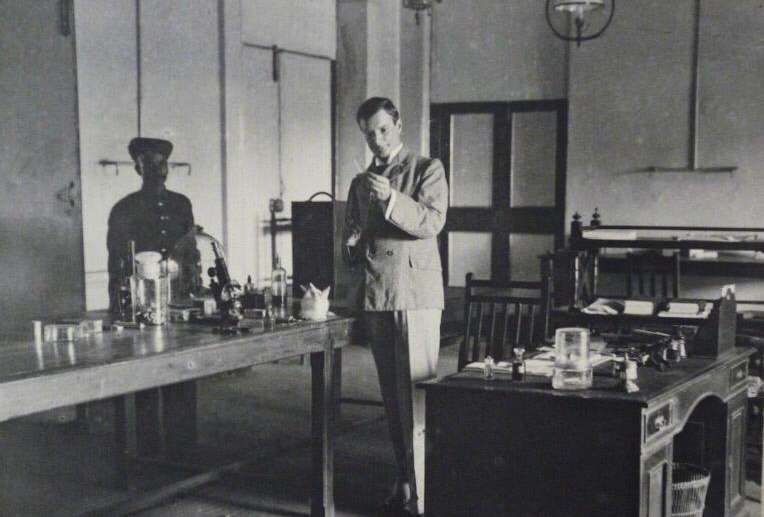
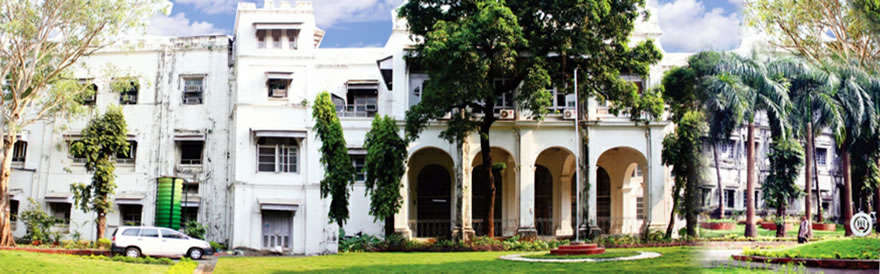
In 1897, the scientist defeated one of the deadliest diseases on Earth - the bubonic plague, which broke out in Bombay (now Mumbai, India). In the laboratory he created, Khavkin developed an anti-plague drug and again performed a professional feat - tested the vaccine on himself. The epidemic was overcome. Subsequently, the laboratory in Bombay became the largest bacteriological and epidemiological research center in South Asia. Since 1925, it has officially been called the Khavkin Institute. For his achievements, the scientist was awarded one of the highest orders of the British Empire.
Vladimir Khavkin's brilliant career was interrupted in 1902 by a fabricated case that was openly anti-Semitic. As a result of false accusations, the scientist was dismissed from his post. Only after public intercession by famous scientists of the world was the scientist acquired.
After retirement, Volodymyr devoted his life to matters related to the Jewish people. In 1920, he became a member of the Central Committee of the World Jewish Union. He supported the idea of creating a Jewish state in Palestine. Together with like-minded people, he wrote a work on the rights of Jews in Eretz Israel and the Diaspora, which he proposed to the participants of the Paris Peace Conference of 1990–1920.
In 1928, the scientist moved to Lausanne, where he spent the rest of his life. He donated all his property, as well as 300 thousand dollars, to the creation of the Fund for the Encouragement of Young Talents of Jewish Religious Schools of Eastern Europe. Volodymyr Khavkin died in Lausanne on October 28, 1930. The day of his death became a day of national mourning in India. Today, Indians still venerate Khavkin as a deity. He is called here, like M. Gandhi, Mahatma – “Great Soul”.
Dilfuza Hlushchenko