
Today, with the first star, the holiday of Purim will come.
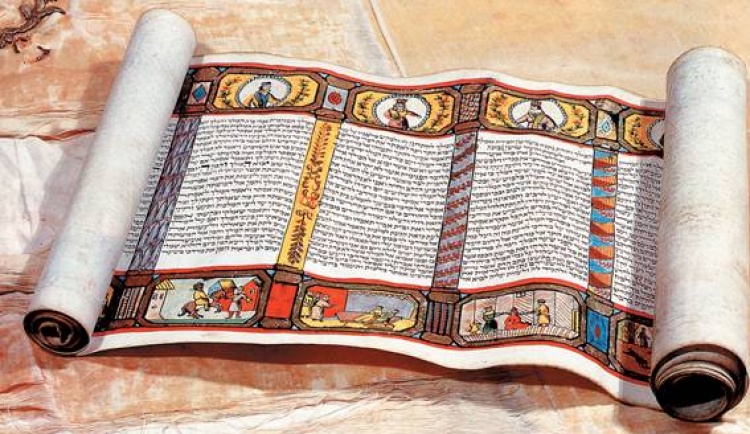
Purim (this year falls on March 13-14) is a holiday commemorating the salvation of the Jews in the Persian Empire during the reign of King Ahasuerus (Artaxerxes) from the villain Haman, who planned to destroy the entire Jewish people. On this day, Maghilat Esther (the Scroll of Esther) is read, friends are given treats, donations are made to the needy, feasts are held, and all sorts of fun is had.
The events described in the Scroll of Esther occurred about 2,400 years ago, but its content is full of symbols that have become increasingly significant. The all-powerful King Ahasuerus (Artaxerxes) was not the legitimate heir to the Persian throne, he managed to seize power by force and bribery. But he became the ruler of a huge kingdom that had more than a hundred provinces and stretched from India to Ethiopia. “I am Artaxerxes, the great king, the only king, king of all countries in which all languages are spoken, king of this great land that extends far, son of King Darius, the Achaemenid. These are the countries in which (in addition to Persia) I am king under the protection of the god Ahuramazda, who pay me tribute; “Everything I demand of them, they do and obey my law: Media, Elam, Arachosia, Urartu, Drangiana, Parthia, Babylon, Assyria, Egypt, the inhabitants of Iconium, who live by the Salt Sea, and those who live beyond the Salt Sea, Arabia. Gandhara, India and Cush,” – this is how he liked to magnify himself.
Haman is an Amalekite, a very successful politician at that time, in fact – the Prime Minister of Persia, and also – the favorite of King Ahasuerus.
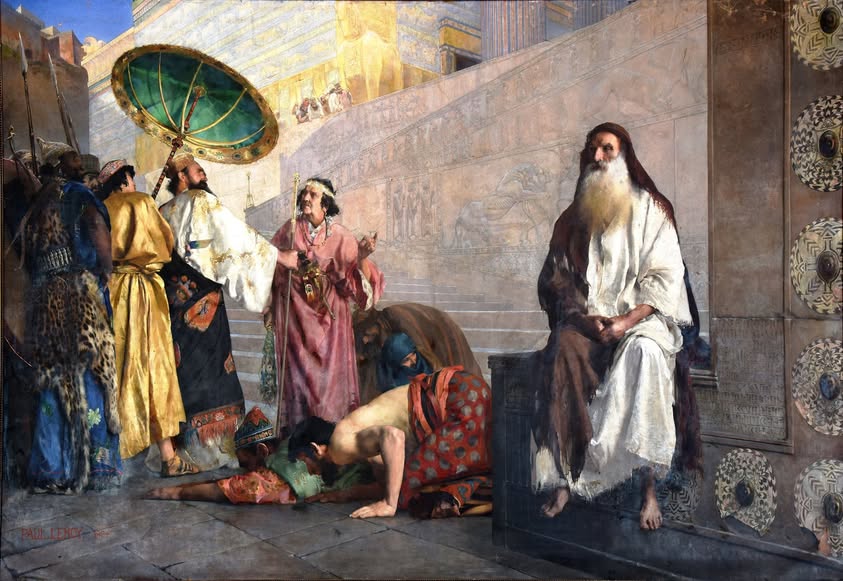
For a bag of silver, Haman agreed with Ahasuerus on permission to destroy the Jewish leader of those times Mordecai and his people who lived in the territory of the Persian Empire, because Mordecai refused to bow to the royal courtier. Of course, Mordecai’s refusal to bow to Haman was only a pretext for the massacre that was being prepared. In fact, Haman and his accomplices wanted to destroy all the Jews and seize their property. “There is one people scattered among the nations and separated. And their laws are different from those of all the peoples, and they do not keep the king’s laws, and it is not right for the king to let them live,” Haman told Ahasuerus. Slander and money did their job, and the weak-minded king gave the pagan permission to exterminate all the Jews. With the help of lots (pura), the date of the empire-wide pogrom was determined. It fell on the 15th of Adar according to the Jewish calendar.
“And messengers were sent into all the king’s provinces to destroy, to kill, and to annihilate all the Jews…” (Esther, 3)
Haman's plan was quite detailed. The scenario of events was developed in such a way that pogroms were to occur in any case. Every detail was thought out, lists were drawn up of those who would destroy the Jews and those who would collect the loot. Although preparations were being made throughout the empire, some Jews did not believe that such a large-scale crime was even possible and did not take any measures, some hoped to bribe the authorities, some hoped to receive forgiveness through their loyalty. Haman turned out to be stronger and more influential than anyone at court. And, frankly, the Jews had no chance of being rescued.
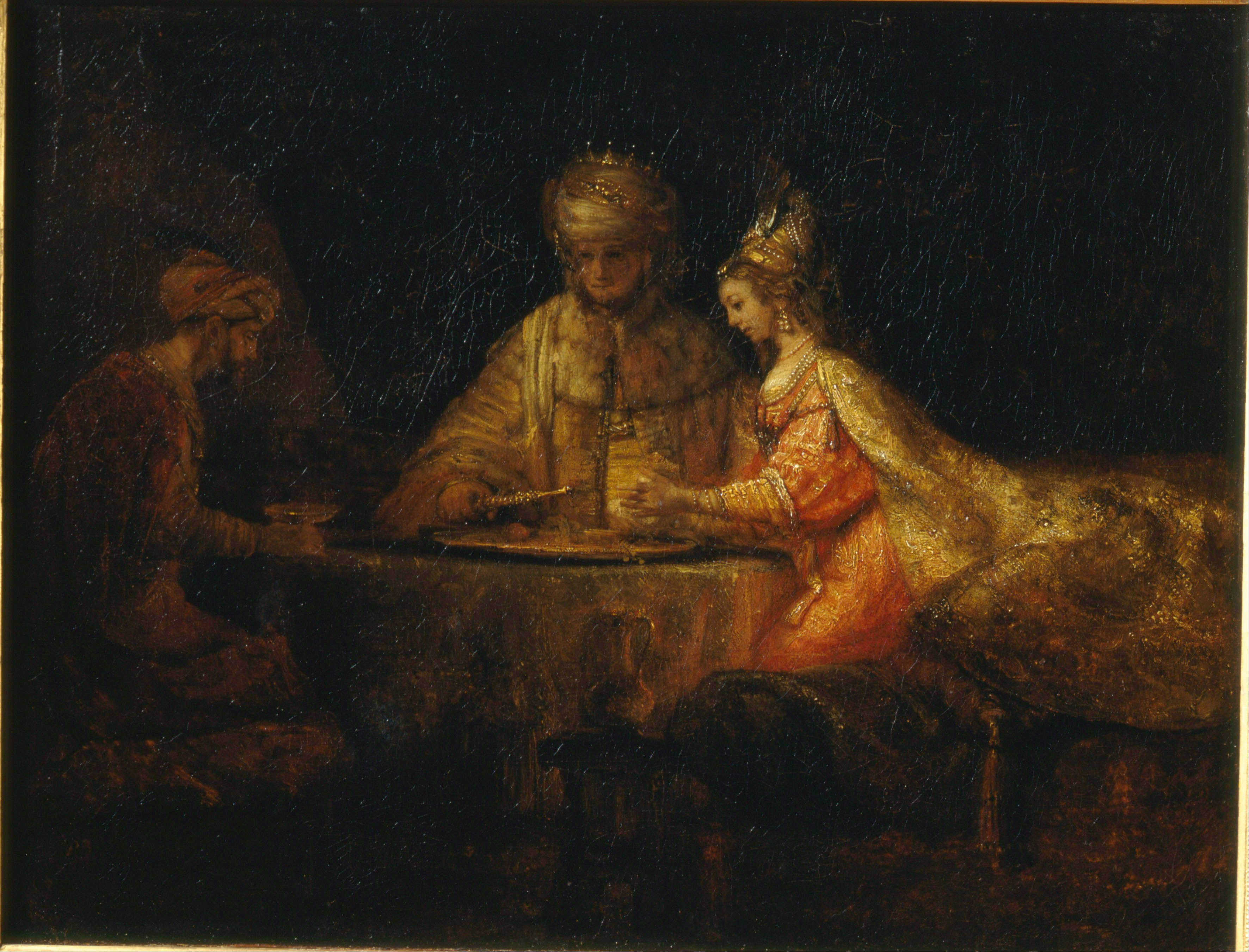
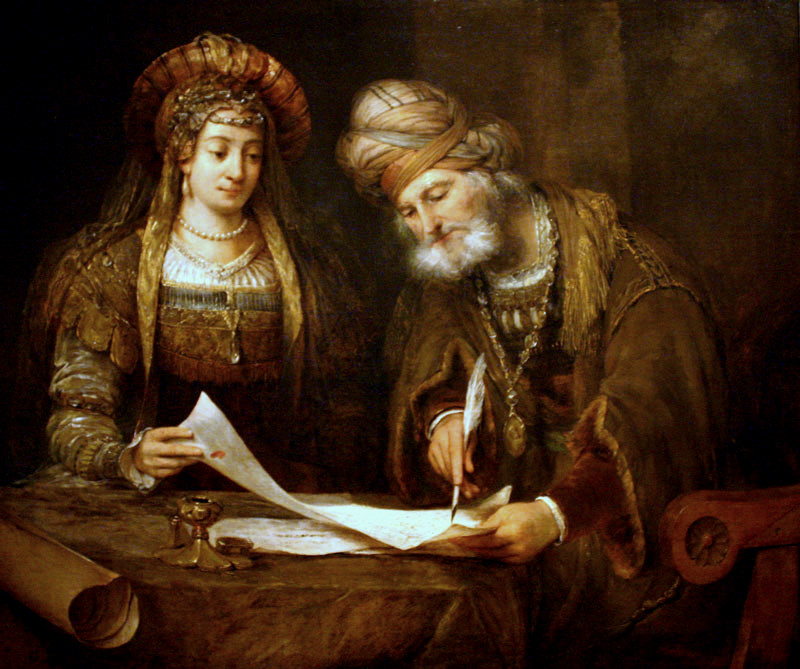
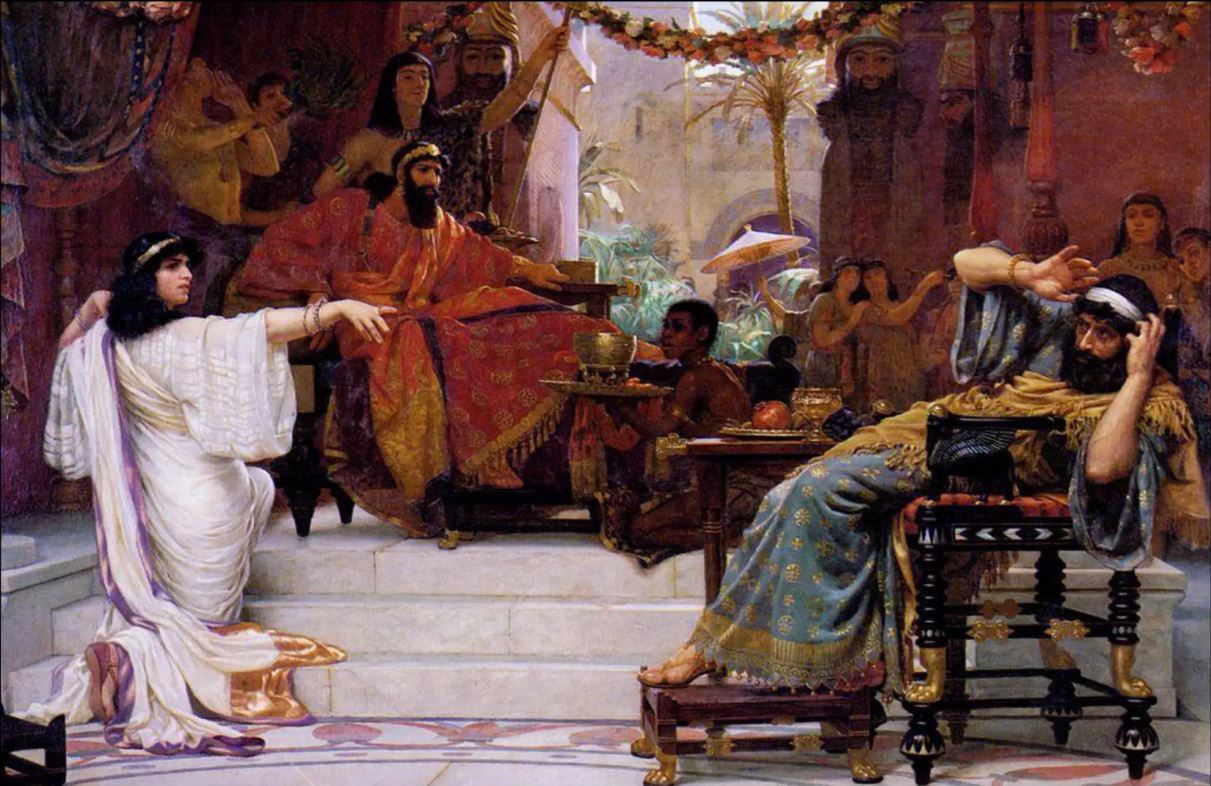
However, Queen Esther and the wise Mordecai, her uncle and the head of the local Jewish community, managed to turn the tide of history and save their people, and Haman's insidious plan turned against him and all who opposed the Jews. The beautiful Hadassah (הדםה - myrtle flower – the original name of Esther) arranged a banquet for her husband, at which she revealed the truth to him. The moved king issued a decree according to which the Jews were given the right to self-defense. Then, according to the plan developed by Mordecai, the Jews united and destroyed all their opponents.
“The Jews gathered in their cities… to lay hands on those who wanted to harm them, and no one stood against them…” (Esther, 9)
The path to victory over the enemies was not easy. In fact, Purim is the anniversary of the Jews' victory in the war against their enemies, which occurred only eleven months after the day on which Haman's army was to kill all the Jews.
What happened to Haman? He was hanged in disgrace: According to the Persian laws in force at that time, before hanging, his ears were cut off. This was done to humiliate and cause physical pain.
Since then, in memory of the triumph of justice, the custom has arisen to prepare “gomentashi” – Haman’s ears – triangular-shaped pies with various fillings on Purim.
Nowadays, Purim is a cheerful holiday celebrated all over the world. For many, Purim is a colorful carnival where you can have fun to your heart’s content. This is a day when it is customary to play and fool around. On this day, you can drink a lot of wine. According to legend, wine is drunk on Purim until the participants in the celebrations begin to confuse the names of the supporters and detractors of the wise beauty Esther.
And we also believe that all modern Hamans are waiting for the gallows, and in a while they will only be remembered by pies in the shape of their ears.